Understanding Side-to-Side Collisions on Florida Roads
Key Takeaways: A sideswipe car accident occurs when the side of one vehicle strikes another’s side, typically because a driver drifts, merges, or passes without confirming safety. Florida law governs these crashes through statutes on single-lane travel (FL 316.089), safe lane changes (FL 316.085), improper passing, and the right-half rule (FL 316.081). Common causes include blind-spot merges, distracted drifting, improper passing, and aggressive weaving, each reflecting a breach of statutory duty. When multiple unsafe acts combine, conduct may rise to aggressive careless driving under FL 316.1923. Florida’s comparative fault system under Fla. Stat. §768.81 allows fault division among drivers and even nonparties, directly affecting recovery. An experienced attorney can connect crash facts to governing statutes, counter insurer claims of shared blame, and help protect your rights.
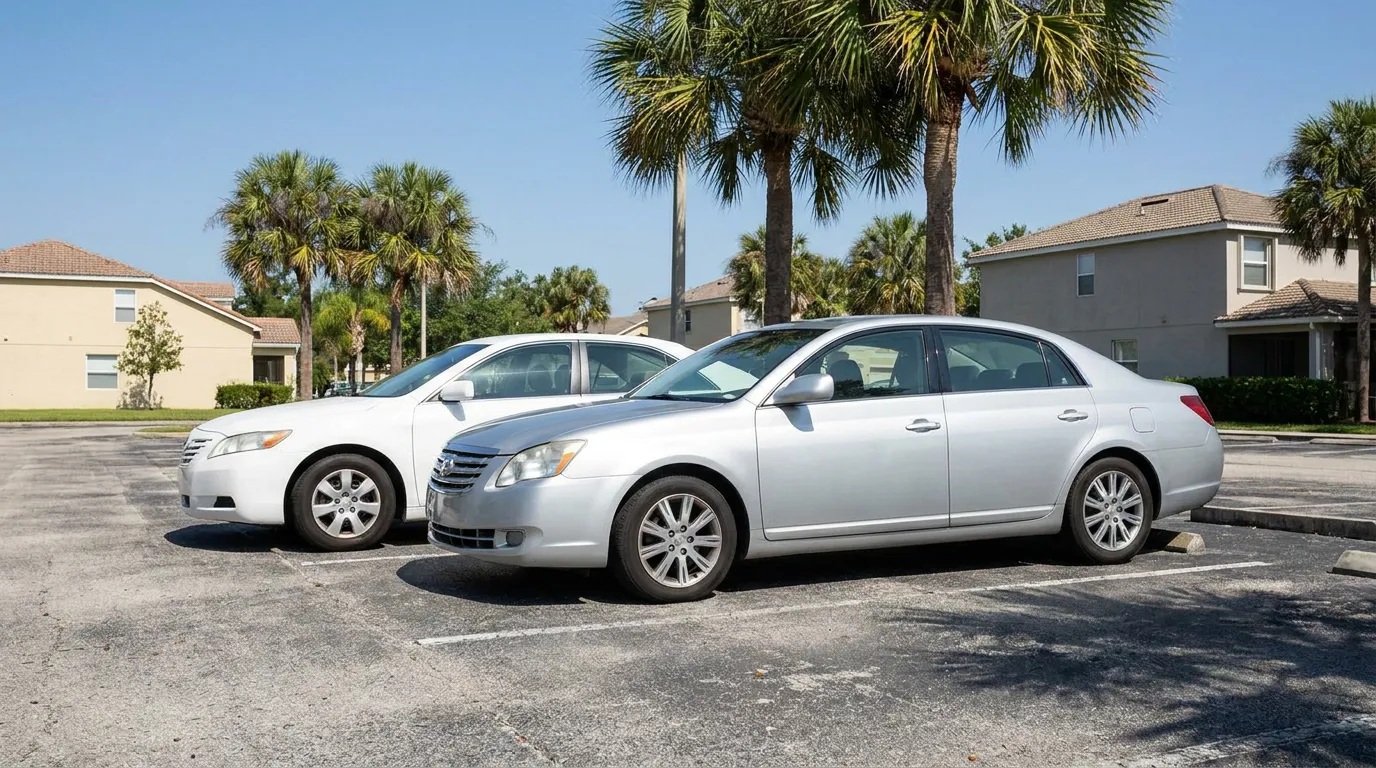
A sideswipe car accident happens when the side of one vehicle makes contact with another’s side, usually because a driver drifts, merges, or passes without confirming safety. These crashes often occur at highway speeds on Tallahassee corridors like Capital Circle, Apalachee Parkway, and I-10, where lane changes are frequent. Although a sideswipe may seem minor compared to a head-on impact, sudden loss of control can push vehicles into guardrails, medians, or other lanes, leading to serious injuries and complicated liability questions under Florida law.
If you were hurt in a lane-change collision, the team at Salpeter Gitkin, LLP is ready to help you understand your options. Reach a knowledgeable Tallahassee car accident attorney by calling (866) 203-2911 or through the firm’s online case review page to discuss what happened.
How Florida Law Frames a Sideswipe Crash
Florida does not use "sideswipe" as a standalone legal category, but several traffic statutes govern the driving behaviors that cause these collisions. A side-to-side impact typically involves a driver who left a lane, passed improperly, or failed to stay within a single lane. These behaviors are regulated by Florida’s uniform traffic control laws, which set the standard of care every driver owes to others.
The single-lane rule is one of the most frequently cited provisions. Under FL 316.089(1), a vehicle must be driven "as nearly as practicable entirely within a single lane" and cannot move until the driver confirms the movement can be made safely. When a driver drifts or merges without checking, that failure often forms the factual basis for a negligence claim. Review the full text within Florida’s motor vehicle traffic statutes.
Lane-change duties add a second layer of responsibility. FL 316.085(2) states that no vehicle may be driven from a direct course until the driver determines the move can be "completely made with safety and without interfering with the safe operation" of nearby traffic. A driver who sideswipes another while shifting lanes without looking generally violates this rule, which can be powerful evidence in a civil injury case.
Passing and Right-Half Rules That Often Apply
Improper passing is a common trigger for a Florida sideswipe crash. Under FL 316.085(1), an overtaking vehicle must have a clear, oncoming-traffic-free left side to complete the pass and must return to an authorized lane as soon as practicable. Passing too close or cutting back too early can cause a side-to-side collision, especially at higher speeds.
Florida also generally requires drivers to keep to the right half of the roadway. FL 316.081(1) provides that on roadways of sufficient width, a vehicle must be driven on the right half, subject to exceptions such as overtaking and passing. Sideswipes can occur when a driver crosses toward oncoming or adjacent traffic outside these narrow exceptions.
What Usually Causes Lane-Change Accidents in Tallahassee
Most sideswipe collisions trace back to recognizable driving errors. Understanding these patterns can help injured drivers explain what happened and identify the applicable traffic rule.
- Blind-spot merges: A driver changes lanes without checking mirrors or shoulder-checking, striking a vehicle already occupying the lane.
- Distracted drifting: A driver looking at a phone slowly veers out of their lane, contrary to FL 316.089(1).
- Improper passing: A driver overtakes without a clear left side or merges back too soon, contrary to FL 316.085(1).
- Aggressive weaving: A driver darts between lanes in heavy traffic, combining multiple unsafe movements.
Each error reflects a breach of a specific statutory duty. That connection matters because a traffic citation, while not conclusive, can serve as meaningful evidence of negligence. Under FL 316.085(3) and FL 316.089(5), violation of these lane and passing rules is a noncriminal traffic infraction punishable as a moving violation. The underlying conduct can strongly support a civil claim for damages.
💡 Pro Tip: Photograph the paint transfer and scrape patterns on both vehicles. The direction and height of side damage can help reconstruct who moved into whose lane.
When Aggressive Driving Turns a Sideswipe Into Something More
Some sideswipe crashes result from a pattern of dangerous driving rather than a single mistake. Florida recognizes this through its aggressive careless driving statute.
Under FL 316.1923, "aggressive careless driving" means committing two or more listed acts simultaneously or in succession. Those acts include "unsafely or improperly changing lanes as defined in s. 316.085" and "improperly passing as defined in s. 316.083, s. 316.084, or s. 316.085." A driver who weaves through traffic while also passing improperly may fall within this definition, which reinforces the seriousness of the conduct behind many side-to-side impacts.
How Comparative Fault Shapes Your Sideswipe Claim
Florida uses a comparative fault system, which is central to nearly every sideswipe collision case. Because both drivers may share some blame for lane position or timing, how fault is divided directly affects recovery.
The apportionment rule is set out in Fla. Stat. §768.81(3). In a negligence action, the court shall enter judgment against each party liable on the basis of such party’s percentage of fault and not on joint and several liability. Florida’s apportionment of damages statute confirms this framework applies broadly to negligence cases, including civil actions for damages from car accidents.
Florida law reflects evolution toward pure comparative negligence. In Hoffman v. Jones, 280 So.2d 431 (Fla. 1973), the state discarded contributory negligence and adopted a comparative standard. In Walt Disney World Co. v. Wood, 515 So.2d 198 (Fla. 1987), a jury apportioned fault at 14% to one party, 85% to another, and 1% to Disney, illustrating how blame can be split among multiple parties. Florida amended its comparative negligence law in March 2023, shifting to a modified system that bars recovery for a plaintiff found more than 50 percent at fault in many negligence actions.
Fault can also involve people who were never sued. Under Fla. Stat. §768.81, a defendant must affirmatively plead the fault of a nonparty and prove at trial, by a preponderance of the evidence, that nonparty’s role in causing injuries. This can arise in multi-vehicle sideswipe scenarios where several drivers contributed to events. Our discussion of whether shared fault can reduce a settlement offers helpful context.
A Quick Look at the Statutes Behind These Claims
| Legal Issue | Governing Authority | What It Addresses |
|---|---|---|
| Lane changes | FL 316.085(2) | Duty to confirm a safe move before leaving a lane |
| Single-lane travel | FL 316.089(1) | Staying within one lane until safe to move |
| Improper passing | FL 316.085(1) | Clear left side and prompt return to lane |
| Right-half rule | FL 316.081(1) | Keeping to the right except when passing |
| Comparative fault | Fla. Stat. §768.81(3) | Dividing damages by percentage of fault |
Why a Sideswipe Car Accident Lawyer Can Make a Difference
Working with a sideswipe car accident lawyer can help you connect crash facts to specific statutes that establish fault. Insurance adjusters frequently argue that a sideswipe was a shared mistake, which can reduce or complicate a claim. A careful review of the police report, vehicle damage, and witness statements often reveals which driver violated a lane or passing rule.
A knowledgeable Tallahassee car accident attorney also understands how Florida’s no-fault framework interacts with these claims. Because outcomes depend heavily on specific facts, generalized advice is no substitute for case-by-case review. A sideswipe car accident lawyer can explain how comparative fault, citations, and injury thresholds may apply while setting realistic expectations.
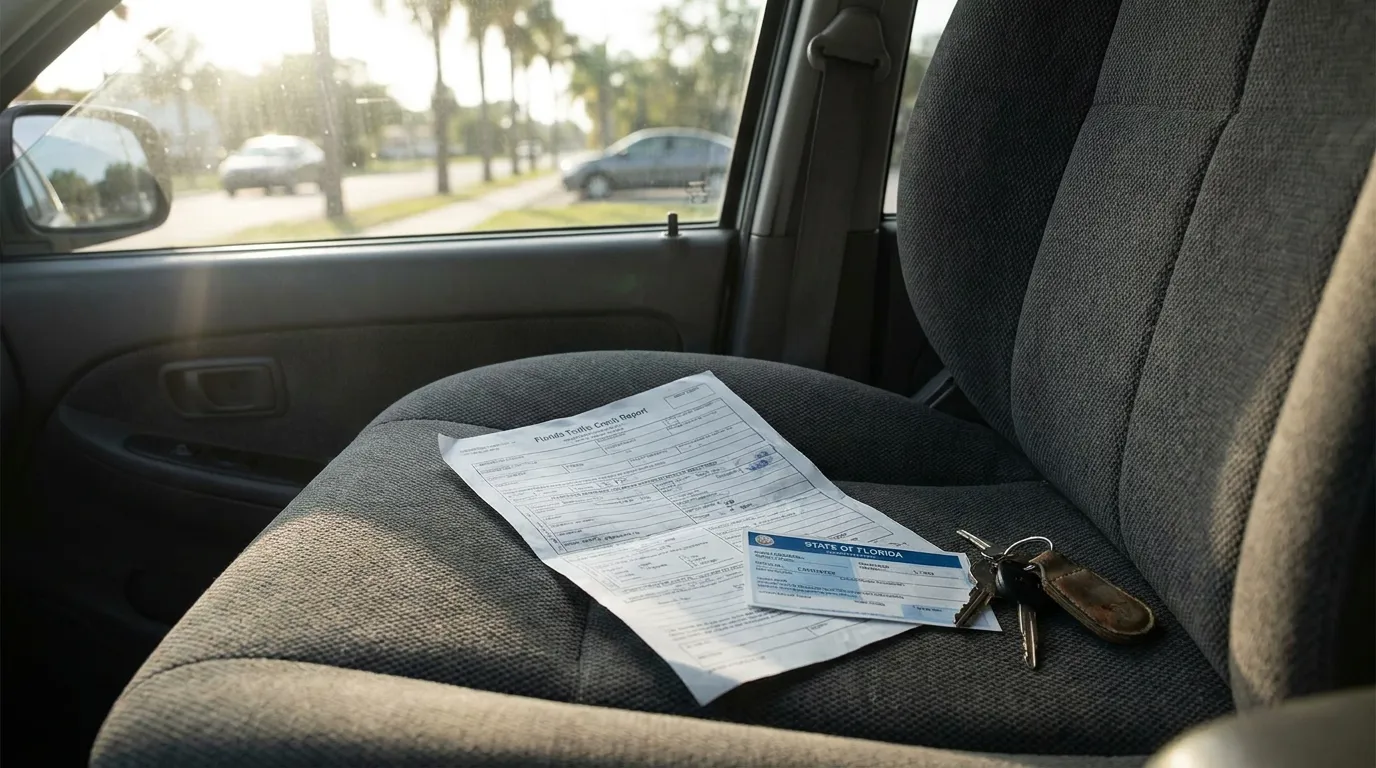
💡 Pro Tip: Request a copy of the Florida Traffic Crash Report and note any listed contributing factors. Those entries often align with the statutes that support a negligence claim.
Frequently Asked Questions
1. Is a sideswipe accident always the fault of one driver?
Not necessarily. Florida applies comparative negligence, so fault can be divided between drivers based on each person’s percentage of responsibility under Fla. Stat. §768.81(3). In many cases, one driver bears most blame for an unsafe lane change, but final allocation depends on specific facts.
2. Does a traffic ticket prove the other driver was negligent?
A citation is strong evidence but not automatic proof. Under FL 316.085(3) and FL 316.089(5), lane violations are noncriminal traffic infractions. A ticket can support a negligence claim, though a court still evaluates all evidence before assigning fault.
3. What if the other driver was weaving through traffic?
That conduct may fall under Florida’s aggressive careless driving statute. FL 316.1923 applies when a driver commits two or more listed acts, such as unsafe lane changes and improper passing, together. Documenting this behavior can strengthen the factual picture.
4. Can I still recover if I was partly at fault?
Possibly, subject to Florida’s comparative negligence rules. Florida moved to a comparative standard in Hoffman v. Jones, 280 So.2d 431 (Fla. 1973), and amended the law in 2023 to add a 51% threshold in many cases. Whether and how much you recover depends on your assigned share of fault.
5. How soon should I act after a sideswipe crash?
Deadlines apply, and courts interpret exceptions narrowly. Civil filing deadlines are separate from administrative or insurance requirements, and tolling or discovery rules apply only in limited circumstances. Acting promptly helps preserve evidence and protect your ability to file.
Bringing It All Together
A sideswipe car accident under Florida law is best understood through traffic statutes defining safe lane changes, passing, and single-lane travel. When a driver violates FL 316.085, FL 316.089, or FL 316.081, that breach can form the foundation of a negligence claim, while Florida’s comparative fault framework under Fla. Stat. §768.81 determines how damages are divided. Because these cases turn on details of each crash, outcomes vary and no single rule applies universally.
If a lane-change collision left you injured in Tallahassee, informed guidance can help protect your rights. Reach out to Salpeter Gitkin, LLP for a case review by calling (866) 203-2911 or using the firm’s confidential contact form to take the next step toward understanding your options.