When a Night’s Stay Turns Dangerous: Hotel Liability for Parking Lot Crime
Key Takeaways: Yes, a Hollywood hotel can be held responsible for a parking lot attack on guests when specific conditions are met under Florida law. Hotel guests are considered invitees owed the highest duty of care, meaning properties must take reasonable steps to guard against foreseeable criminal activity. Successful negligent security claims must prove duty, breach, causation, and damages, with foreseeability, often shown through prior crimes on or near the property, being the central issue. Florida’s modified comparative negligence rule apportions fault among the hotel, attacker, and guest; guests more than 50 percent at fault recover nothing. Negligence claims accruing after March 24, 2023 face a strict two-year deadline, making prompt action and evidence preservation essential. These fact-intensive cases are shaped by recent reforms like HB 837, so no outcome is guaranteed.
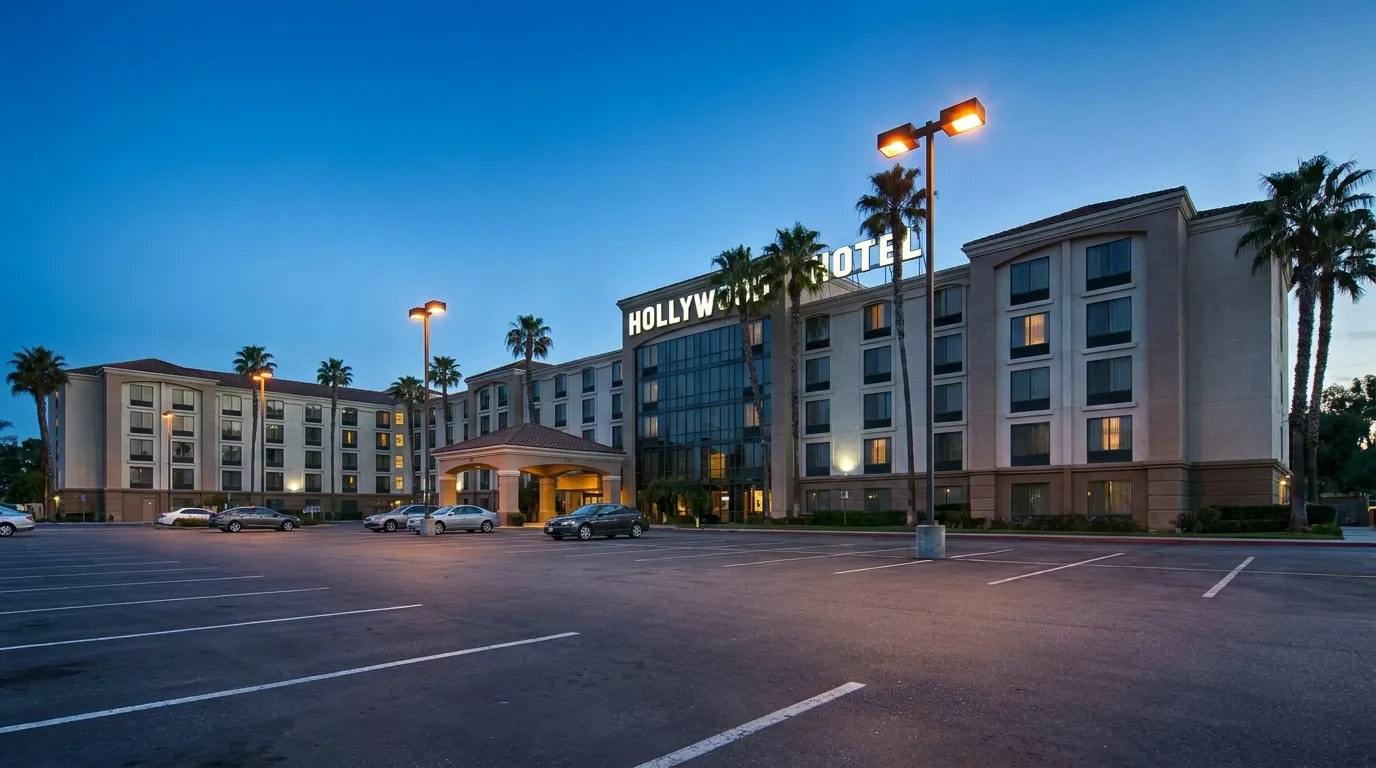
Yes, a Hollywood hotel can be held responsible when a guest is attacked in its parking lot, but only under specific conditions. Florida law does not make hotels automatic insurers of guest safety. Instead, liability turns on whether the hotel failed to take reasonable steps to protect guests from foreseeable criminal activity. When a paying guest is assaulted in a poorly lit, unmonitored, or unpatrolled lot, that failure can become the foundation of a negligent security claim.
If you or a loved one was harmed in a hotel parking lot, the team at Salpeter Gitkin, LLP is ready to listen and explain your options. You can reach the firm by phone at (954) 467-8622 or through the firm’s confidential case review form.
Why Hotel Guests Are Owed the Highest Duty of Care
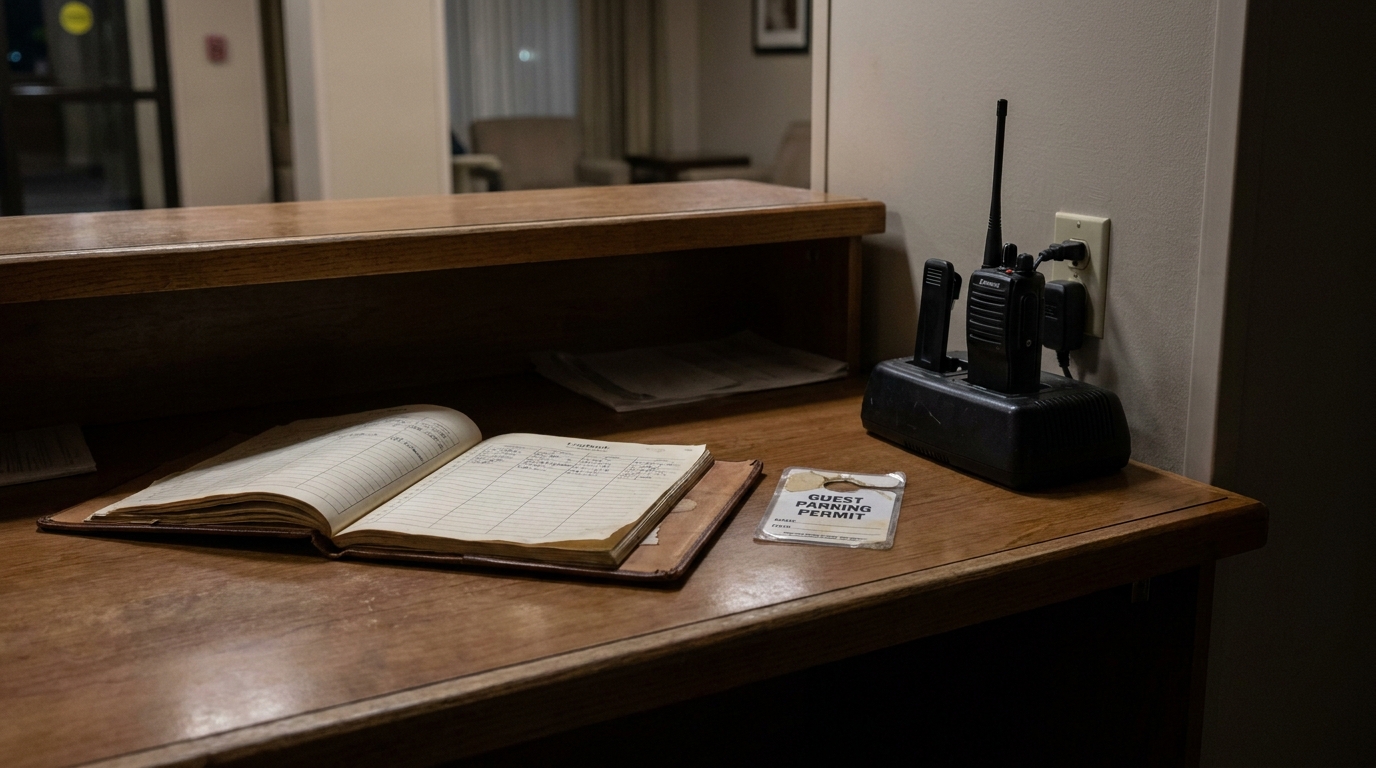
Florida law sorts visitors into categories, and hotel guests sit at the top of the protection ladder. The state classifies visitors into three categories, invitees, licensees, and trespassers (with trespassers further divided into discovered and undiscovered sub-categories), when measuring a property owner’s duty of care. A paying hotel guest is considered a business invitee, a person with express or implied permission to be on the property, and is owed the highest standard of care. Unlike trespassers who receive limited protections, guests are entitled to have the owner take reasonable steps to guard against foreseeable harm, including criminal attacks.
This duty is rooted in Florida common law and Chapter 768 provisions. Fla. Stat. § 768.075, which addresses immunity for trespassers, defines an "invitation" as when a visitor "has an objectively reasonable belief that he or she has been invited or is otherwise welcome" and limits its gross-negligence and intentional-misconduct exceptions to trespasser contexts; hotel guests are business invitees whose protections arise under Florida common law and other provisions of Chapter 768. These provisions live within Florida’s broader negligence framework, codified in the state’s official Chapter 768 negligence statutes. (leg.state.fl.us)
💡 Pro Tip: Keep your hotel reservation confirmation, room key, and receipt. These simple documents help establish your status as an invitee, which is the first building block of any claim.
What a Negligent Security Hotel Hollywood Florida Case Must Prove
Every negligent security claim is built on four familiar elements. To hold a property owner responsible, an injured guest must prove duty, breach, causation, and damages. In a parking lot assault, duty is usually straightforward because the hotel already owes invitees a high standard of care. The harder questions involve breach, what the hotel did or failed to do, and causation, whether that failure contributed to the harm.
Florida property owners must keep their premises reasonably safe, and that includes protecting guests from foreseeable crime. What counts as "reasonable" depends on the property type, the area’s crime history, and the surrounding circumstances. A hotel in an area with prior incidents may be expected to provide more robust measures than one with no history of trouble. This sliding standard is a hallmark of negligent security claims.
A property owner may be held accountable when it fails to take reasonable steps against foreseeable criminal activity. Common examples of inadequate measures in a hotel setting include:
- Broken, dim, or missing parking lot lighting
- Non-functioning or absent security cameras
- Lack of fencing, gates, or controlled access points
- Insufficient or untrained security personnel
- Ignored complaints or prior reports of suspicious activity
Foreseeability: The Heart of a Hollywood Hotel Liability Claim
Foreseeability is the single most important issue in most negligent security cases. Courts examine whether similar crimes occurred on or near the property before the attack in question. A hotel with a documented history of parking lot incidents faces a stronger argument that the latest attack was foreseeable and preventable. Police reports and internal security logs are frequently used to establish this pattern.
Careful documentation can shape an entire case. When prior robberies, assaults, or break-ins are part of the record, the argument that a hotel should have anticipated danger becomes far more persuasive. Conversely, when a property has no comparable history, foreseeability becomes a genuinely contested, fact-dependent question.
💡 Pro Tip: After an incident, request a copy of the police report and note whether the parking lot had visible cameras or security patrols. These observations can support a later investigation into the property’s crime history.
How Florida Weighs Fault Between the Hotel and the Attacker
Florida law specifically addresses what happens when a third party’s crime injures a lawful guest. Under Fla. Stat. § 768.0701, in an action against the owner or operator of commercial property brought by a person lawfully on the property who was injured by a third party’s criminal act, the trier of fact must consider the fault of all persons who contributed to the injury. This means a jury weighs the hotel’s security failures alongside the attacker’s conduct.
That apportionment connects to a major change in Florida law. The 2023 tort reform known as HB 837 shifted the state to modified comparative negligence under Fla. Stat. § 768.81. An injured guest found more than 50 percent at fault recovers nothing, and any recovery is reduced by the guest’s share of fault. Because the criminal attacker is also assigned a portion of fault, understanding how these percentages interact is central to evaluating a parking lot crime premises liability matter.
| Party | Role in the Analysis | Effect on Recovery |
|---|---|---|
| Hotel / operator | Alleged security failure | May owe its share of fault |
| Criminal attacker | Direct cause of harm | Assigned a portion of fault |
| Injured guest | Lawful invitee | Recovery reduced by own fault; barred if over 50% |
Some Florida businesses also have a statutory path to reduce their exposure. Florida grants certain property owners a presumption against liability when they substantially implement specified security measures. Under Fla. Stat. § 768.0705, the owner or operator of a convenience business that substantially implements the measures listed in §§ 812.173 and 812.174 gains a presumption against liability for third-party criminal acts, and a separate presumption exists for multifamily residential properties under Fla. Stat. § 768.0706. These presumptions are tied to specific property types, so a typical hotel may not fall squarely within either one; where a statutory presumption does apply, ignoring required measures can forfeit that protection and leave a property more exposed to a premises liability Hollywood Florida claim.
Deadlines That Can Make or Break a Claim
Time is one of the most unforgiving factors in any injury case. Florida negligence claims, as amended by HB 837, generally apply a two-year limitations period for causes of action accruing after March 24, 2023. Missing this civil deadline can permanently bar an otherwise strong claim.
Exceptions to the deadline exist, but courts interpret them narrowly. Tolling and discovery-based extensions may apply in limited circumstances, yet they are never automatic. Because these rules are fact-sensitive, confirming your specific deadline early is a practical safeguard.
💡 Pro Tip: Treat the two-year window as the outer limit, not a target. Evidence such as surveillance footage is often overwritten within days or weeks, so gathering it quickly is far more valuable than waiting.
Practical Steps for Injured Guests in Hollywood
What you do in the hours and days after an attack can strengthen your position. Securing medical care comes first, both for your health and to create a record connecting your injuries to the incident.
A few focused actions often preserve the most valuable evidence. Consider these steps:
- Seek medical treatment and keep all records and bills.
- Report the crime to police and request the report number.
- Photograph the lot, lighting, and any visible cameras.
- Collect names and contact information for witnesses.
- Speak with a qualified attorney before giving recorded statements.
Property operators and their insurers often investigate quickly to limit exposure, which is one reason early guidance can help level the field. To learn more about how these matters develop, you can review this discussion of whether negligent security hotel Hollywood claims can succeed against local properties.
Frequently Asked Questions
1. Is a hotel automatically liable if I am attacked in its parking lot?
No, liability is never automatic. A guest must show the hotel breached its duty by failing to provide reasonable security and that the failure contributed to foreseeable harm.
2. What makes a parking lot attack "foreseeable"?
Foreseeability usually depends on prior similar crimes on or near the property. Courts may consider police reports and internal security logs to determine whether the hotel should have anticipated the danger.
3. Can I still recover if I was partly at fault?
Possibly, under Florida’s modified comparative negligence rule. Recovery is reduced by your share of fault, but a guest found more than 50 percent at fault recovers nothing under Fla. Stat. § 768.81.
4. How long do I have to file a claim?
Florida generally applies a two-year limitations period for negligence claims accruing after March 24, 2023. Limited exceptions may apply, but courts interpret them narrowly, so confirming your deadline early is wise.
5. What evidence should I preserve?
Medical records, police reports, photographs, and witness information are often the most important. Surveillance footage is also valuable but can be erased quickly, so requesting it promptly matters.
Protecting Your Rights After a Hotel Parking Lot Attack
A hotel’s responsibility for a parking lot attack depends on duty, breach, foreseeability, and how fault is apportioned under Florida law. Guests are owed a high standard of care, and a property that ignores known risks or skips reasonable security measures may be held accountable. These claims are fact-intensive, deadline-driven, and shaped by recent reforms, which is why informed, timely action is valuable.
If you have questions about a hotel parking lot attack in Florida, the attorneys at Salpeter Gitkin, LLP are ready to help you understand your options. Call (954) 467-8622 or reach out through the firm’s secure contact page to discuss what happened and how you may move forward.