Understanding Your Rights After a Tender Boat Injury
Key Takeaways: Yes, a cruise line can be sued for a tender boat accident near Hollywood, FL, but recovery depends on whether federal maritime law or Florida negligence law governs your claim. Maritime law typically applies because tenders operate on navigable waters, and its comparative negligence rule allows recovery even if you were partly at fault. Florida statutes, including Fla. Stat. § 76.32, may apply to vessel injuries outside admiralty jurisdiction. Proving liability requires showing duty, breach, causation, and damages. Cruise ticket contracts frequently impose short deadlines, often six months for notice and one year to sue, along with forum-selection clauses that courts usually enforce. Prompt action and knowledgeable legal guidance are essential to protecting your rights.
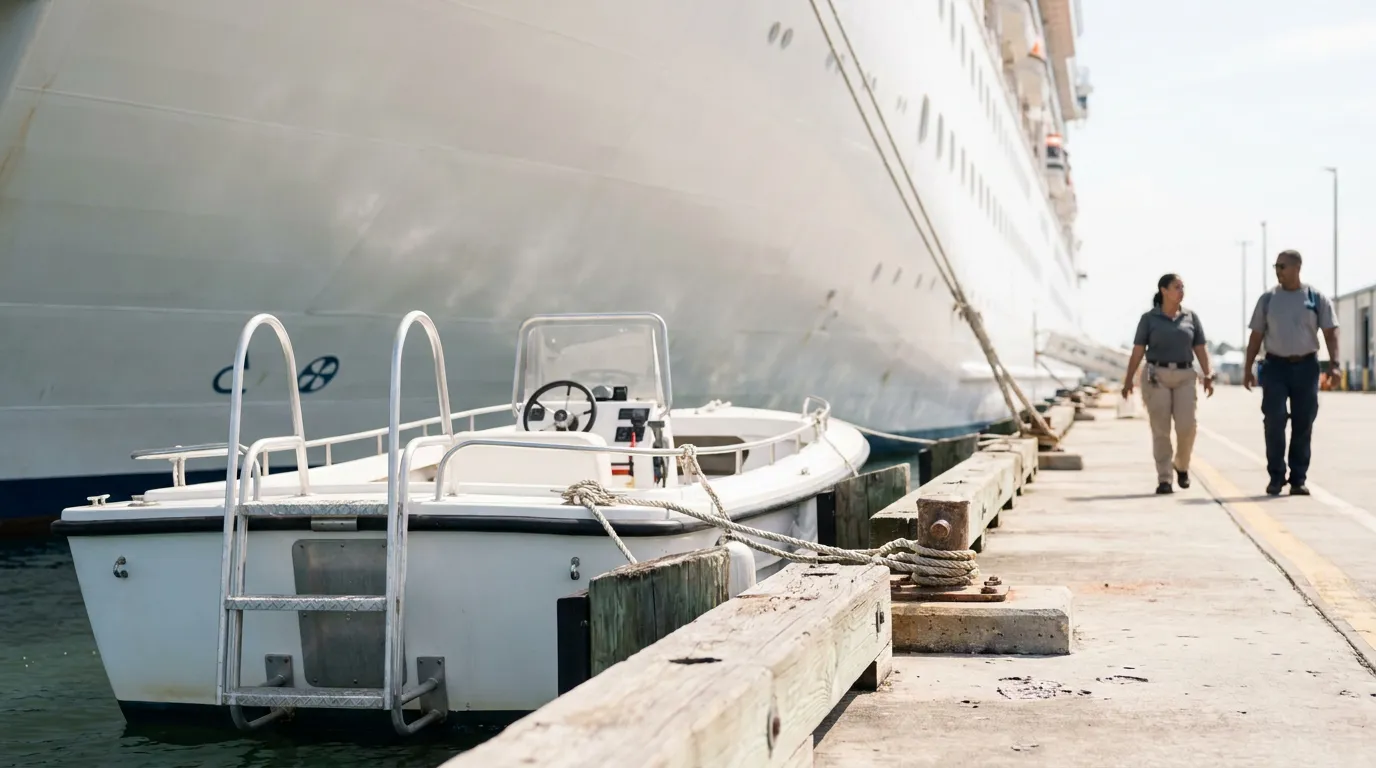
Yes, a cruise line can be sued for a tender boat accident, but the path to compensation depends on where the injury happened and which law governs your claim. Tender boats ferry passengers from anchored cruise ships to shore, and injuries during that transfer raise both federal maritime and Florida negligence issues. Understanding the overlap between these legal frameworks is the first step toward protecting your rights.
If you are researching cruise ship injury claims after a tender accident, the attorneys at Salpeter Gitkin, LLP are ready to help you understand your options. Call our team at (954) 467-8622 or reach out through our contact page to discuss what happened. Acting promptly helps preserve evidence and protect time-sensitive rights.
How Maritime Law Shapes Cruise Ship Injury Claims
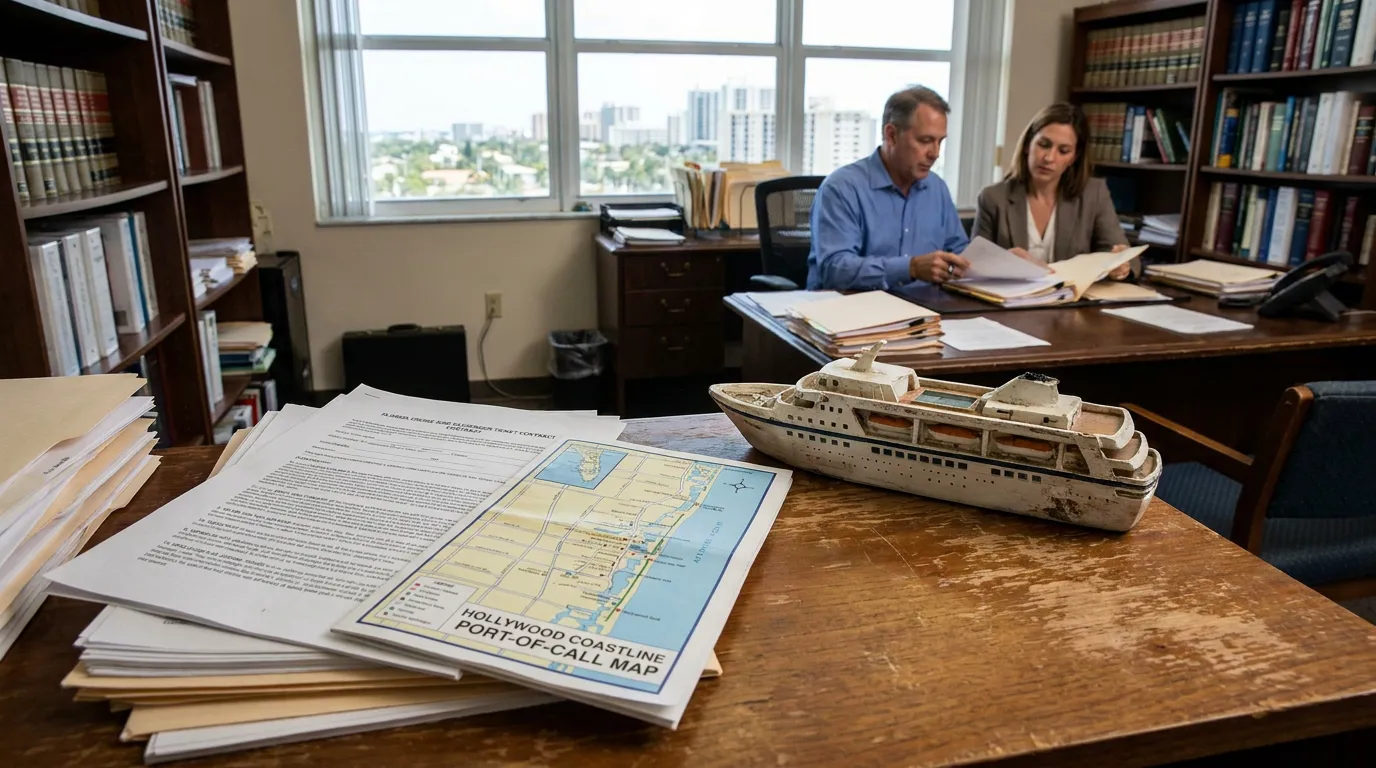
Maritime law, also called admiralty law, is generally the governing framework for accidents involving cruise ships and their tenders. This body of federal law covers boating and cruise ship accidents, seaman injuries, shipping disputes, salvage operations, and oil spills. Because a tender boat operates on navigable waters and serves a cruise vessel, an injury during transfer frequently falls within this maritime framework.
One feature that often favors injured passengers is the comparative negligence approach applied under maritime principles. Under this doctrine, you may recover even if you were partly responsible, because you can recover damages proportionate to the defendant’s fault, regardless of how much you were at fault. This differs from stricter rules that bar recovery entirely and can be significant when a cruise line argues that a passenger contributed to a fall.
Where a Maritime Case Can Be Heard
Maritime claims are not limited to federal courtrooms. In state courts, maritime claims may be tried before juries. A state court hearing a maritime case must apply maritime law, even if it conflicts with state law. This distinction matters for a Hollywood, Florida cruise injury because the venue you choose does not necessarily change the substantive law controlling your case. You can learn more through the firm’s cruise ship accident attorney Florida page.
When Florida Law May Apply to a Tender Boat Accident
Florida negligence law can apply to certain vessel injuries, but only under specific conditions. Florida’s general negligence provisions are codified in Chapter 768, with Part I (ss. 768.041-768.395) covering releases and related general liability concepts, and comparative fault codified under Fla. Stat. § 768.81 in Part II (DAMAGES, ss. 768.71-768.81). These state negligence statutes generally reach injury, loss, or damage occurring outside the admiralty and maritime jurisdiction of U.S. courts. Because many tender accidents fall under federal maritime law, counsel must carefully assess jurisdiction.
Florida also has a specific statute addressing negligence in vessel operation. Under Fla. Stat. § 76.32, in actions to recover damages for injury resulting from negligence in the navigation, direction, or management of any ship or boat within the state’s territorial jurisdiction, a plaintiff may be entitled to an attachment against the offending vessel. You can review this Florida vessel negligence statute to see how it addresses vessels of any kind, domestic or foreign. This provision is meaningful for tender boat accidents because a tender is exactly the type of small vessel contemplated, though it provides a prejudgment attachment remedy rather than an independent basis of liability and applies only outside federal admiralty jurisdiction.
Choosing Where to File
Venue rules give injured passengers meaningful flexibility, subject to contractual limits. Under Fla. Stat. § 76.32(2), venue may lie in the county where a defendant resides, where the injury was suffered, or where the vessel charged with responsibility is found. For a Hollywood Florida cruise injury, this can allow a claim to proceed close to where the harm occurred. However, cruise ticket contracts may override these options.
Proving Cruise Line Liability in Hollywood FL
Establishing cruise line liability generally requires proving duty, breach, causation, and compensable damages. A carrier owes passengers a duty of reasonable care under the circumstances, and a tender accident may reflect a breach when boarding procedures, crew supervision, or vessel maintenance fall short.
The doctrine of unseaworthiness is a related maritime concept that typically protects seamen and crew members rather than passengers. It holds a shipowner liable if the ship or its appliances are unseaworthy and caused injuries. Because this doctrine generally does not extend to passengers, an injured tender passenger will usually rely on a negligence theory instead. Common evidence issues include:
- Slippery or unstable boarding platforms and gangways
- Inadequate handrails, lighting, or weather precautions
- Crew failures in assisting or supervising passengers during transfers
- Mechanical or maintenance problems with the tender itself
Questions of who is responsible can become complex when multiple parties are involved. A tender may be operated by the cruise line, a local port operator, or a third-party contractor, and each relationship affects liability. For a closer look at how responsibility is assigned in this region, see the firm’s discussion of liability for cruise injuries at Port Everglades, which is directly relevant to Hollywood-area passengers.
💡 Pro Tip: Photograph the tender, boarding area, and any hazards immediately, and request the names of crew members involved. Physical conditions change quickly, and early documentation can be difficult to recreate later.
Contract Limits and Deadlines That Can Derail a Claim
Cruise ticket contracts frequently contain provisions that restrict when and where a passenger can sue. Contracts in cruise ship tickets may limit passengers to suing for injuries within a certain time and in a certain place. These clauses are easy to overlook because the ticket often functions as a lengthy contract of adhesion. Reviewing your ticket early is essential to avoid missed deadlines or wrong forums.
Courts generally enforce these contractual provisions, even when passengers dispute them. A passenger may challenge the validity of a contract or specific provision, but courts generally enforce them. A forum-selection clause can require a passenger to file where the cruise line operates rather than at home. You can read a general overview of these principles in the Justia maritime law FAQs.
Watch the Clock Carefully
Time limits in cruise cases are often shorter than deadlines for ordinary injury claims. Federal law permits carriers to impose these shortened periods, and an injured passenger might need to file a claim within one year and notify the cruise line within six months. These contractual notice and filing periods differ from civil statutes of limitations, and courts interpret exceptions such as tolling narrowly. Do not assume any extension applies automatically.
| Deadline Type | Common Cruise Contract Window | Practical Effect |
|---|---|---|
| Notice to cruise line | Often around six months | May be required before filing suit |
| Filing suit | Often around one year | Missing it can bar recovery |
| Forum/venue clause | As stated in ticket | May dictate where you must file |
Steps to Protect Your Tender Boat Injury Claim
Taking prompt, organized action gives your claim the strongest foundation. The following steps help protect your ability to pursue tender boat injury compensation:
- Seek medical care immediately and keep all records and bills
- Report the incident to cruise staff and obtain a written report
- Preserve your ticket contract and any onboard communications
- Note witnesses and gather contact information before disembarking
Consulting a maritime injury lawyer Hollywood passengers trust can help you avoid common pitfalls. Counsel can evaluate whether federal maritime law or Florida statutes govern, whether a forum-selection clause controls, and how comparative fault may affect your recovery. This article provides general information rather than individualized legal advice.
Frequently Asked Questions
-
Is a tender boat accident treated the same as an onboard cruise injury?
Not always, though both can fall under maritime law. A tender operates as a separate vessel, so liability may involve the cruise line, a port operator, or a contractor. The governing law and responsible party depend on the specific circumstances.
-
Can I still recover if I slipped partly because of my own misstep?
Possibly, because maritime law applies comparative negligence. Under this approach, recovery is generally proportional to the defendant’s share of fault. Partial responsibility does not automatically bar a claim, though it may reduce the amount recovered.
-
How quickly do I need to act after a cruise tender injury?
Often much sooner than you might expect. Many cruise contracts require notice within about six months and suit within about one year. Because courts interpret exceptions narrowly, treating the earliest possible deadline as your target is the safest approach.
-
Does Florida law or federal maritime law control my case?
It depends on where and how the injury occurred. Florida’s negligence statutes generally apply only outside admiralty jurisdiction, while many tender accidents fall under federal maritime law. A careful factual review is needed to determine which framework governs.
-
What if the cruise contract requires me to sue in another state?
Courts generally enforce forum-selection clauses. That can require filing where the cruise line operates rather than in Hollywood. An attorney can review the ticket language and advise on how the clause may affect your options.
Moving Forward With Confidence
A cruise line can be held accountable for a tender boat accident, but success depends on navigating maritime doctrine, Florida statutes, and strict contractual deadlines. Comparative negligence rules, negligence and vessel-condition theories, and venue provisions under Fla. Stat. § 76.32 all shape how cruise ship injury claims proceed, while ticket contracts can limit where and when you file. Because these issues are fact-sensitive, timely legal guidance is often the difference between a preserved claim and a missed opportunity.
If you or a loved one suffered a tender boat injury, the team at Salpeter Gitkin, LLP is prepared to review your situation. Call (954) 467-8622 today or request a consultation online to protect your rights before critical deadlines pass.