
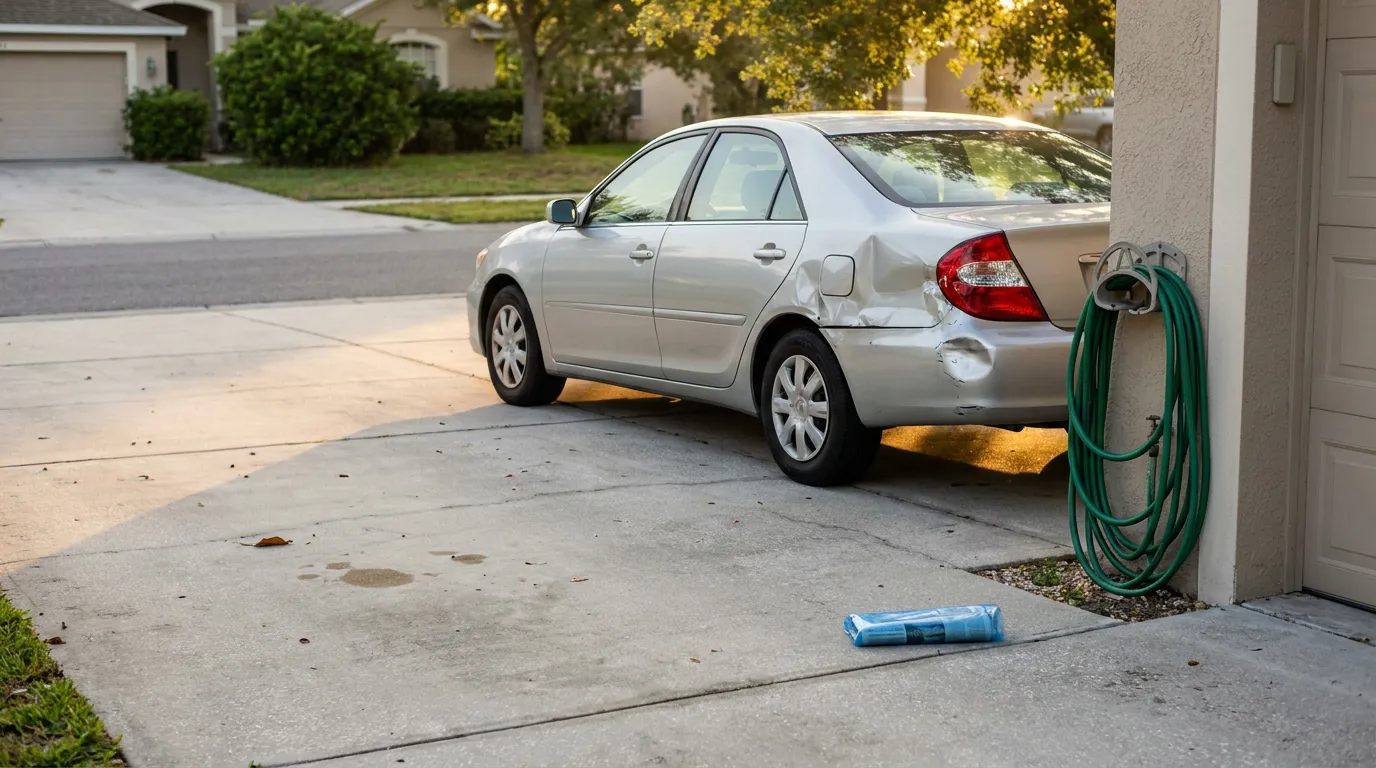
Getting Paid When Your Car Is Sitting in the Shop
Key Takeaways: In many cases, yes: Florida drivers may recover loss of use damages after a crash even without renting a replacement car, because losing access to your vehicle is treated as its own harm, separate from repair costs. These claims rest on common law negligence principles and are often measured by the reasonable rental value of a comparable vehicle over a reasonable repair or replacement period. Claims are usually made against the at-fault driver’s property damage liability coverage, since Florida’s PIP system generally covers injuries rather than vehicle damage. Your recovery may be reduced by comparative fault under Fla. Stat. § 768.81, and in most negligence cases filed after March 24, 2023, may be barred if you are more than 50% at fault. Collateral source payments and policy limits can affect the amount too. For negligence actions accruing on or after March 24, 2023, Florida imposes a two-year statute of limitations under Fla. Stat. § 95.11(5)(a), as amended by HB 837, though an unresolved conflict exists with the four-year period for certain property damage claims, and Florida legal authorities advise presuming the shorter two-year period controls for vehicle damage claims based on negligence. Keeping daily logs and repair timelines can help you counter insurer arguments and support a fair recovery.
In many cases, yes. After a Hollywood FL car accident, you may recover compensation for losing use of your vehicle even without renting a replacement. Florida generally treats being without your car as its own category of loss, separate from repair costs. Whether you can recover it, and how much, depends on who caused the crash, how long you went without a vehicle, and how well you document the loss. These claims usually arise from general negligence principles rather than one specific statute, making them fact-dependent.
If an insurer told you that you get nothing because you didn’t rent a car, you may want a second opinion. Salpeter Gitkin, LLP helps accident victims in Hollywood and across South Florida understand what their claims may be worth. Call 954-467-8622 or contact us now to talk about your situation.
What "Loss of Use" Means After a Crash
Loss of use is compensation for the time you could not use your vehicle because someone else damaged it. It generally covers the value of lost access for a reasonable repair period, or, if the car was totaled, a reasonable time to find a replacement. It’s treated as separate from repair costs and any drop in value. Florida courts haven’t always agreed on how loss of use applies to totaled vehicles.
Florida law generally recognizes that losing access to a vehicle can be a real, measurable harm. For example, Fla. Stat. § 634.011(8)(b), in the state’s motor vehicle service agreement laws, lists "temporary vehicle rental expenses" as a category of vehicle-related loss, separate from the vehicle’s value and insurance deductibles. That statute applies to service agreements, not negligence lawsuits, but it shows Florida law recognizes rental costs as a distinct expense.
Where Loss of Use Claims Come From
Loss of use claims in Florida generally rest on common law negligence rather than a dedicated statute. Chapter 768, titled "Negligence," includes rules on how negligence damages are apportioned and limited, but no section specifically defines or authorizes loss of use damages for vehicles. Courts instead apply long-standing tort principles, so outcomes may depend on the facts and prior rulings.
Loss of Use Vehicle Damages Florida Drivers Can Pursue Without a Rental
Whether you rented a car does not necessarily decide whether you have a claim. Loss of use is often described as the value of the access you lost, not just money spent out of pocket. Many drivers can’t afford to rent a car up front, or they borrow a relative’s car, take rideshares, or go without. A loss of use claim without a rental looks for a fair way to value that lost time.
How Reasonable Rental Value Works
The most common way to measure this loss is the reasonable rental value of a comparable vehicle. The question becomes: what would it have cost to rent a similar car for a reasonable repair or replacement period? For example, if a similar midsize sedan rents for around $50 per day and repairs took 14 days, about $700 may serve as a starting point in negotiations. Insurers may challenge the daily rate, the comparison vehicle, or the length of the repair period.
What Insurers Often Argue
Some adjusters take the position that no rental receipt means no loss. That position may not reflect how Florida courts view loss of use, but claims still depend on the evidence you provide. Insurers may also argue that repairs took longer than necessary or that another vehicle was available to you. Good documentation can help answer these arguments.
💡 Pro Tip: Keep a simple daily log while your car is out of service. Write down rides you paid for, trips you missed, and days you borrowed a car. Records made at the time often carry more weight than memories reconstructed months later.
How Florida Insurance Laws Shape Your Claim
Your loss of use claim is usually made against the at-fault driver’s property damage liability coverage. Florida’s Financial Responsibility Law, found in Chapter 324, requires drivers to show they can pay for damage they cause. Fla. Stat. § 324.022 requires owners to carry at least $10,000 in property damage liability coverage, and § 324.021 defines proof of financial responsibility. Insurance contracts are regulated under Chapter 627, "Insurance Rates and Contracts."
Florida’s no-fault PIP system generally covers injuries, not damage to your car. Property damage and loss of use are generally pursued separately from PIP benefits, often through a third-party claim against the at-fault driver’s insurer. Florida’s minimum property damage coverage is only $10,000, so repair costs plus loss of use can exceed the at-fault driver’s policy limits, which can complicate recovery.
| Type of Vehicle Loss | What It Covers | Rental Required? |
|---|---|---|
| Repair costs | Reasonable cost to fix the vehicle | No |
| Loss of use damages | Value of lost access during repair or replacement | Not necessarily |
| Actual rental expenses | Documented rental charges | Yes, receipts needed |
| Total loss value | Fair market value if repair isn’t practical | No |
Factors That Can Reduce or Limit Your Recovery
Several legal rules can affect how much you actually receive. Knowing about them early can help you avoid surprises and build a stronger claim.
Comparative Fault
Under Fla. Stat. § 768.81, your recovery may be reduced by your own share of fault. Under the 2023 amendments (HB 837), in most negligence actions filed after March 24, 2023, a claimant found more than 50% at fault is barred from recovering at all. Medical negligence claims are an exception. You can review these rules in Florida’s negligence statutes in Chapter 768. Insurers sometimes use shared-fault arguments to lower offers, so how the crash happened matters.
Collateral Sources and Other Offsets
Fla. Stat. § 768.76 addresses how certain collateral source payments may offset a damages award. If your own insurer already paid for a rental through optional coverage, that payment could affect the net amount you recover from the at-fault party, depending on the type of payment and any subrogation rights. Other common problems include:
- Unreasonable repair delays that an insurer blames on you
- Having a second vehicle available during the repair period
- Missing records showing how long the car was out of service
- Choosing a luxury comparison vehicle when yours was economical
Deadlines That Apply to Hollywood Drivers
For negligence actions accruing on or after March 24, 2023, Florida imposes a two-year statute of limitations under Fla. Stat. § 95.11(5)(a), as amended by HB 837. While § 95.11(3) retains a four-year period for certain property damage claims, such as actions for "taking, detaining, or injuring personal property," there is an unresolved conflict between that provision and the two-year negligence deadline. Florida legal authorities advise presuming the shorter two-year period controls for vehicle damage claims based on negligence. If you also have injury claims, the two-year deadline may similarly control. You can read the text in the Florida limitations statute. This deadline applies to civil lawsuits; insurance policies often require prompt notice of a claim, which is separate.
Exceptions that pause or extend a limitations period are limited under Fla. Stat. § 95.051, and courts generally interpret them narrowly. Don’t assume any extension applies to your case. If a claim involves a government-owned vehicle, Fla. Stat. § 768.28 generally requires written notice to the agency within three years and caps damages. Acting early also helps preserve evidence like repair invoices and photos.
💡 Pro Tip: Ask the repair shop for a written timeline showing when your car arrived, when parts were ordered, and when it was ready. This record can help show that the repair period was reasonable.
When to Consider Filing Suit
If the insurer refuses to pay a fair amount, filing a lawsuit may be an option. Many property damage disputes, including loss of use, can be resolved through negotiation. If that fails, you may consider suing for property damage directly against the at-fault driver. The right approach depends on the amount at stake, the available coverage, and whether you also have injury claims.
Loss of use is often just one part of a larger case. If you were hurt, a Hollywood car accident attorney can review your medical expenses, lost wages, and pain and suffering alongside your vehicle losses. In Florida, recovering pain and suffering generally requires meeting the permanent injury threshold under Fla. Stat. § 627.737(2). Handling everything together may help ensure nothing is left out of a settlement.
Frequently Asked Questions
1. Can I get loss of use if my car was totaled?
In many cases, yes. Loss of use may cover a reasonable period to find a replacement vehicle after a total loss. What counts as reasonable depends on the facts, and courts may limit this period.
2. Does my own insurance pay loss of use?
Your own policy generally pays only if you bought optional rental reimbursement coverage, which usually has daily and total limits. Otherwise, loss of use is usually pursued against the at-fault driver’s property damage liability insurer.
3. How is no rental car compensation calculated?
It is often based on the reasonable rental value of a comparable vehicle multiplied by a reasonable repair or replacement period. Insurers may dispute both numbers.
4. What if I was partly at fault?
Under Fla. Stat. § 768.81, your recovery may be reduced by your percentage of fault. In most negligence cases filed after March 24, 2023, you are barred from recovering if you are found more than 50% at fault.
5. Does settling property damage affect my injury claim?
It can, depending on the release language you sign. Read any release carefully before signing to make sure it covers only property damage.
Protecting Your Right to Fair Compensation
Loss of use vehicle damages Florida drivers suffer can be real and may be recoverable, even without a rental receipt. Florida law generally treats losing access to your car as a distinct harm, typically measured by reasonable rental value. Comparative fault, collateral source offsets, policy limits, and the applicable statute of limitations under Fla. Stat. § 95.11 can all affect your claim. Careful records and early action may make a meaningful difference in the outcome.
If an insurer has denied or lowballed your loss of use damages, you don’t have to accept that answer without questions. Salpeter Gitkin, LLP can review your Florida auto accident compensation options and explain your rights. Call 954-467-8622 or schedule your consultation today.
Disclaimer: This content is for informational purposes only and is not legal advice. Every case is unique, and results may vary. Consult an attorney about your specific circumstances.