Key Takeaways: Florida law uses an 80% threshold to determine when an uninsured vehicle qualifies as a total loss, meaning repair costs must reach 80% or more of the vehicle’s replacement value. Insured vehicles follow a different standard based on whether the insurance company opts to pay for replacement rather than repair. Late model vehicles (7 years old or newer) worth at least $7,500 face a separate 90% threshold that can result in a certificate of destruction. Owners must act within 72 hours of a vehicle becoming salvage to forward the title to the Florida Department of Highway Safety and Motor Vehicles.
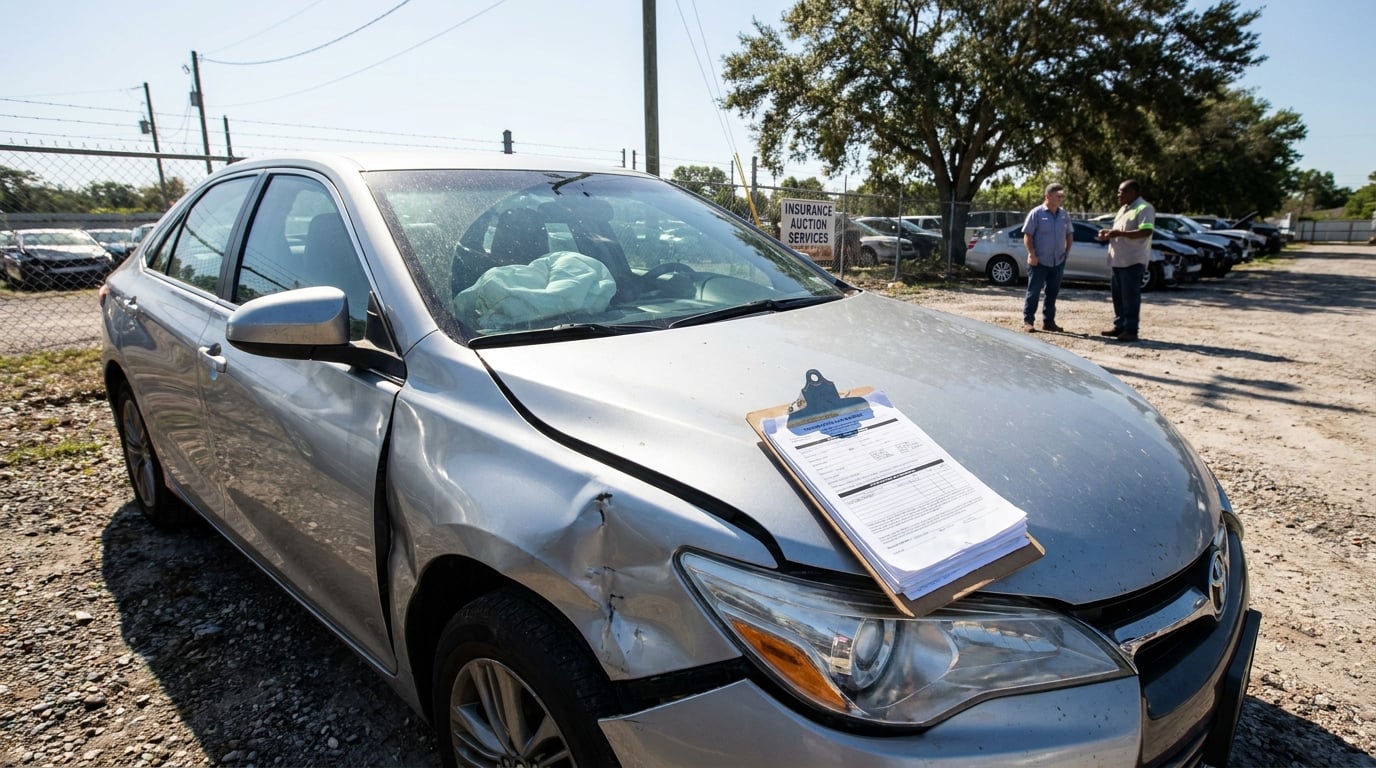
After a serious car accident in Hollywood, Florida, one of the most frustrating experiences you may face is learning that your insurance company has declared your vehicle a "total loss." Many drivers wonder whether these decisions are fair or even legal. Under Florida Statute § 319.30, specific percentage thresholds determine when a vehicle qualifies as totaled, and the rules differ depending on whether the vehicle is insured or uninsured. For uninsured vehicles, the law sets the line at 80% of replacement cost. For insured vehicles, a total loss generally occurs when the insurance company decides to pay the owner to replace the vehicle rather than repair it.
If you were injured in a car crash and your vehicle was totaled, Salpeter Gitkin, LLP can help you understand your options. Call 954-467-8622 or reach out to our team today to discuss your case.
How Florida Defines a Total Loss for Insured Vehicles
For insured vehicles, Florida does not rely on a fixed percentage to declare a total loss. Instead, under Florida Statute § 319.30(3)(a)1.a, a total loss occurs when an insurance company pays the vehicle owner to replace the wrecked or damaged vehicle with one of like kind and quality, or when an insurance company pays the owner upon the theft of a motor vehicle. The insurer’s decision to pay replacement value triggers the total loss designation.
However, there is an important exception. Under § 319.30(3)(a)2, a vehicle is not considered a total loss if the insurance company and the owner agree to repair it. But if the actual cost to repair the vehicle exceeds 100% of the cost of replacing it with one of like kind and quality, the owner must forward a request to the department within 72 hours to brand the certificate of title with the words "Total Loss Vehicle."
💡 Pro Tip: If your insurer agrees to repair your vehicle, keep detailed records of all repair invoices. Should costs exceed 100% of replacement value, you will need documentation to comply with the 72-hour title branding requirement.

Can Insurance Company Force You to Total Your Car?
This is one of the most common questions drivers ask after a collision, and the answer depends on the circumstances. Under Florida law, an insurance company can effectively force a total loss declaration by choosing to pay you the replacement value instead of covering repairs. You generally cannot compel the insurer to repair a vehicle it has decided to replace. For a deeper look at this issue, you may want to read about whether an insurance company can force you to total your car.
That said, negotiation is possible. If you and your insurer agree to repair the vehicle under § 319.30(3)(a)2, the car avoids the total loss label unless actual repair costs later surpass 100% of replacement cost. This option may be worth pursuing if your vehicle has sentimental value or if you believe the insurer’s valuation is too low.
💡 Pro Tip: If you disagree with your insurer’s total loss valuation, gather independent repair estimates and comparable vehicle listings to support your position during negotiations.
The 80% Threshold for Uninsured Vehicles
For uninsured vehicles, Florida law sets a clear numerical threshold. Under Florida Statute § 319.30(3)(a)1.b, an uninsured motor vehicle is considered a total loss when the cost of repairing or rebuilding the vehicle is 80% or more of the cost to the owner of replacing it with one of like kind and quality.
What Happens When the 80% Mark Is Reached
Once the 80% line is crossed for an uninsured vehicle, specific legal requirements apply. Under § 319.30(3)(b), the owner must forward the vehicle’s title to the department within 72 hours after the vehicle becomes salvage. The owner or insurance company may not dispose of the vehicle before obtaining a salvage certificate of title or certificate of destruction. Whether the department issues a salvage rebuildable title or a certificate of destruction depends on additional factors including the vehicle’s age, value, and extent of damage.
Vehicles Valued Under $7,500 and Other Exemptions
The certificate of destruction rules under § 319.30(3)(c) vary depending on vehicle type and value. For mobile homes, if estimated repair costs equal or exceed 80% of the current retail cost, the department declares the mobile home unrebuildable and issues a certificate of destruction. Mobile homes worth less than $1,500 retail prior to damage are exempt. For motor vehicles, the certificate of destruction threshold depends on whether the vehicle qualifies as a late model vehicle worth at least $7,500. Motor vehicles that are not late model or are valued under $7,500 receive a certificate of destruction only if they are damaged to the extent that their only residual value is as parts or scrap metal.
| Category | Threshold | Governing Statute |
|---|---|---|
| Insured vehicles | Insurer pays replacement value | § 319.30(3)(a)1.a |
| Uninsured vehicles | 80% of replacement cost | § 319.30(3)(a)1.b |
| Late model vehicles ($7,500+) | 90% of retail cost | § 319.30(3)(c) |
| Repair agreement exceeds value | 100% of replacement cost | § 319.30(3)(a)2 |
| Mobile homes under $1,500 | Exempt from certificate of destruction rules | § 319.30(3)(c) |
💡 Pro Tip: If your uninsured vehicle’s repair estimate is close to the 80% mark, get multiple quotes from licensed repair shops. A lower estimate could keep your vehicle below the total loss threshold.
Special Rules for Late Model Vehicles in Florida
Florida imposes a stricter standard for newer, higher-value vehicles. Under § 319.30(3)(c), a late model vehicle with a current retail cost of at least $7,500 faces a 90% threshold. If the owner or insurance company determines that estimated repair costs equal or exceed 90% of the vehicle’s current retail cost, the department declares the vehicle unrebuildable and prints a certificate of destruction. A "late model vehicle" is defined under Florida Statute § 319.30 as one with a manufacturer’s model year of 7 years or newer.
This means a 2020 or newer vehicle worth at least $7,500 could be declared unrebuildable even if its repair costs fall below 100% of its value. A certificate of destruction generally prevents the vehicle from returning to the road. However, the statute provides an exception for damaged motor vehicles equipped with custom-lowered floors for wheelchair access or a wheelchair lift.
The 72-Hour Deadline and Why It Matters
Florida law gives vehicle owners a tight window to act after a car becomes salvage. Under § 319.30(3)(b), the owner of a motor vehicle considered salvage must forward the title to the department within 72 hours after the vehicle becomes salvage. For insurance companies, the 72-hour window begins after receiving the certificate of title from the owner.
This deadline applies to both insured and uninsured vehicle owners. Whether an insurer totaled your car in Hollywood or you are managing an uninsured vehicle claim, the 72-hour clock starts ticking as soon as the salvage determination is made.
💡 Pro Tip: Mark the exact date and time your vehicle is declared salvage or a total loss. Set a reminder for the 72-hour deadline so you can forward the necessary paperwork to the Florida DHSMV on time.
Frequently Asked Questions
1. Does Florida use an 80% rule for all total loss determinations?
No. The 80% threshold under § 319.30(3)(a)1.b applies only to uninsured vehicles. Insured vehicles are declared a total loss when the insurance company pays replacement value rather than repair costs. Late model vehicles worth $7,500 or more face a separate 90% threshold.
2. Can an insurance company force you to total your car if you want to keep it?
In many cases, yes. If the insurer decides to pay replacement value, the vehicle is designated a total loss. However, under § 319.30(3)(a)2, you and the insurer may agree to repair the vehicle instead. If actual repair costs later exceed 100% of replacement cost, the title must be branded "Total Loss Vehicle" within 72 hours.
3. What is the 72-hour requirement for salvage vehicles in Florida?
Under § 319.30(3)(b), vehicle owners must forward the title to the Florida department within 72 hours after a vehicle becomes salvage. The owner or insurance company may not dispose of the vehicle before obtaining a salvage certificate of title or certificate of destruction.
4. Are cheap vehicles exempt from these total loss rules?
The exemptions depend on the type of vehicle. Mobile homes worth less than $1,500 retail prior to damage are exempt from the certificate of destruction requirements. For motor vehicles, different certificate of destruction rules apply depending on whether the vehicle is a late model vehicle valued at $7,500 or more.
5. What does "unrebuildable" mean under Florida law?
When the department declares a vehicle unrebuildable, it issues a certificate of destruction. This generally means the vehicle cannot be retitled or legally returned to the road. This designation applies to late model vehicles worth at least $7,500 when estimated repair costs reach 90% or more of the current retail cost.
Protecting Your Rights After a Total Loss in Hollywood, FL
Navigating Florida’s vehicle total loss rules after a car accident can feel overwhelming, especially when you are also dealing with injuries, medical bills, and lost wages. Whether you are facing an insurer’s decision to total your vehicle or trying to understand how the 80% threshold applies to your uninsured car, knowing the law gives you a stronger foundation. An experienced car accident attorney in Hollywood, Florida can help you evaluate your situation and pursue the compensation you may deserve.
The team at Salpeter Gitkin, LLP is ready to help you understand your legal options. Call 954-467-8622 or contact us today to schedule a consultation about your car accident case.