Understanding Florida’s Age Rules for Personal Watercraft
Key Takeaways: No, it is not legal for a child under 14 to operate a jet ski in Florida waters, because Fla. Stat. § 327.39(5) sets a firm minimum operating age of 14. The operating age is 14, while rentals require age 18. Florida requires boating education for those born on or after January 1, 1988, plus proper registration, titling, life jackets, and an engine cutoff lanyard. Liability for an underage or reckless rider can extend to parents, owners, and rental liveries who knowingly permit improper operation. Reckless operation can escalate from a misdemeanor to a third-degree felony when it causes serious bodily injury. Florida’s civil deadlines are strict and fact-dependent, so injured victims should preserve evidence and confirm their filing deadline early.
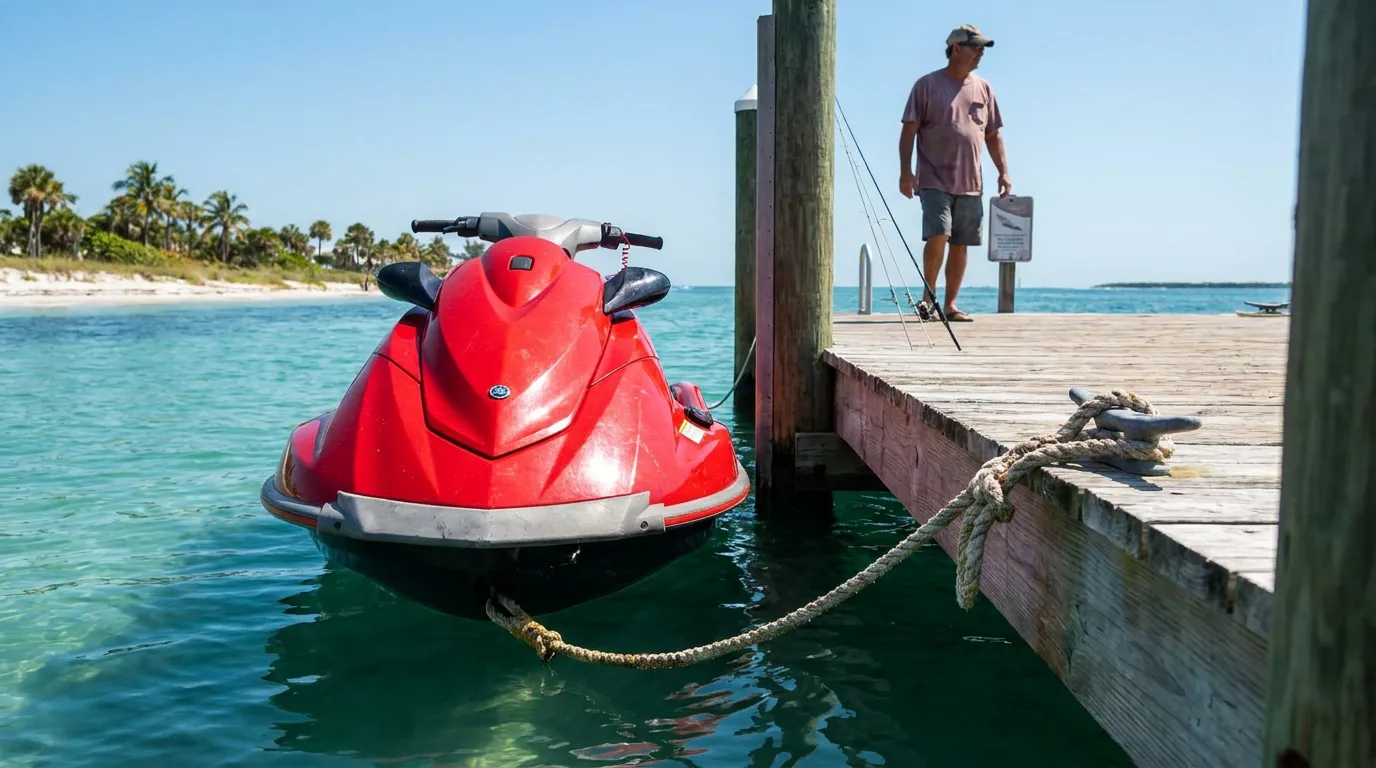
No, it is not legal for a child under 14 to operate a jet ski in Florida waters. Florida law sets a firm minimum operating age, and crossing that line exposes both the young rider and supervising adult to criminal penalties and civil liability. Under Fla. Stat. § 327.39(5), "No person under the age of 14 shall operate any personal watercraft on the waters of this state." This rule is the foundation for how a serious injury after a jet ski accident Florida families face is investigated, charged, and compensated.
If you or a loved one were hurt on the water, the team at Salpeter Gitkin, LLP is ready to help. You can reach our office at (866) 203-2911 or request a confidential case review to discuss what happened.
What the Minimum Operating Age Actually Means
Florida draws a clear line at age 14 for operating a personal watercraft. According to the Florida Highway Safety and Motor Vehicles agency, a person must be at least 14 years of age to operate a PWC in Florida. This answers the central jet ski legal age Florida question parents and renters frequently ask.
It is important to separate operation from rental, because the two carry different age thresholds. The Florida Fish and Wildlife Conservation Commission notes that a person must be at least 18 years of age to rent a personal watercraft, even though the operating age is 14. A 15-year-old may legally operate a family-owned jet ski but cannot lease one from a rental livery. Understanding this personal watercraft operator age framework helps families avoid violations.
💡 Pro Tip: Before letting any teenager ride, confirm both their age and whether the watercraft is owned or rented. The rental age of 18 is separate from the operating age of 14.
Education Requirements That Apply Beyond Age
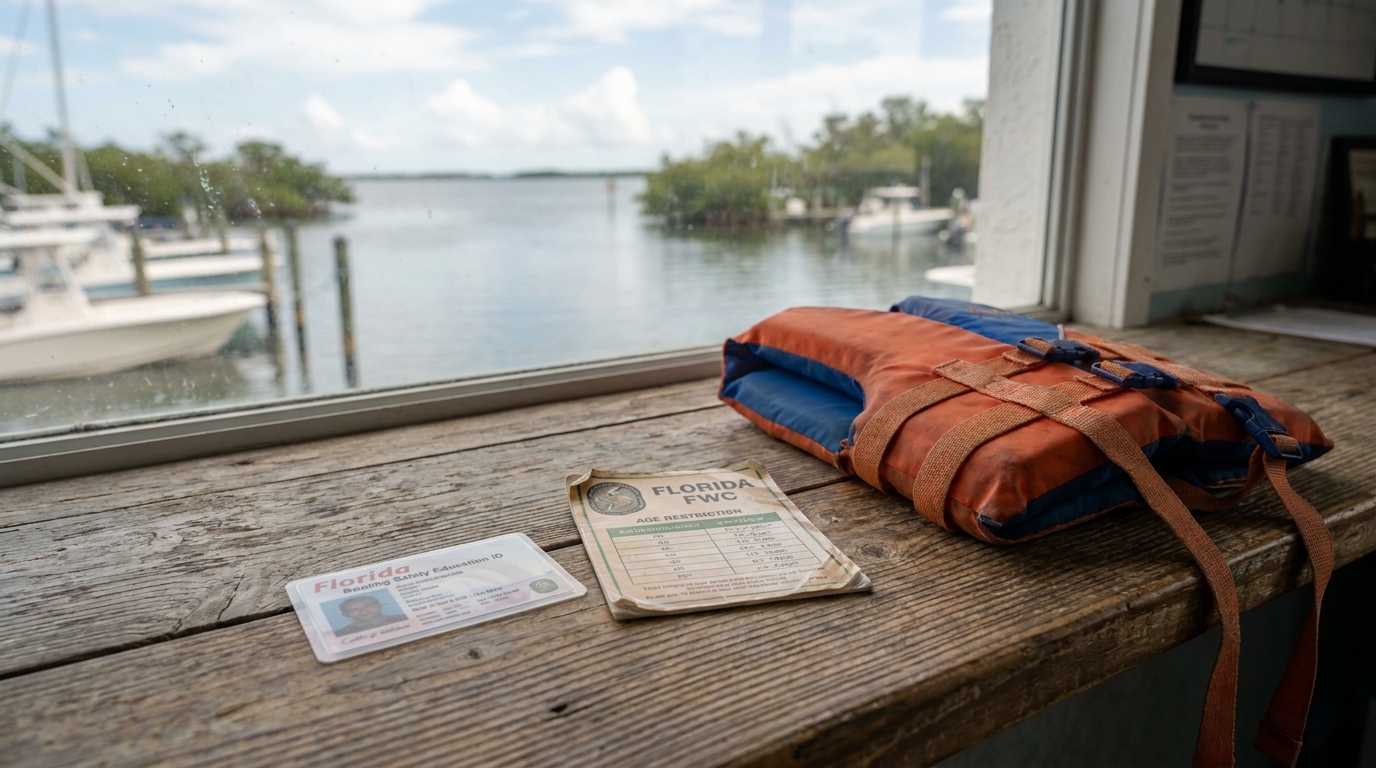
Meeting the age requirement is only the first step. Anyone born on or after January 1, 1988 must complete a NASBLA-approved boating education course before operating a motor vessel of ten horsepower or more. Operators in this group must carry a boating education ID card along with a photo ID while on the water.
Registration and titling rules add another layer of compliance. All vessels with motors must be registered and titled, displaying valid Florida registration numbers, the hull identification number, and a current decal. Review these vessel requirements through the state’s personal watercraft titling and registration resources. These watercraft operator rules Florida enforces can become evidence of negligence in a later injury claim.
Who Faces Liability After a Jet Ski Accident Florida Families Should Know
Responsibility for an underage rider does not fall on the child alone. Florida law places legal duties on owners, parents, guardians, and rental operators who knowingly permit improper operation. Under Fla. Stat. § 327.39(6)(a) and (c), it is unlawful for the owner of any personal watercraft, or any person having charge over it, to authorize or knowingly permit operation by a person under 14. A violation is a misdemeanor of the second degree.
Rental businesses carry their own statutory obligations. Fla. Stat. § 327.39(6)(b)1 makes it unlawful for the owner of a leased, hired, or rented personal watercraft to authorize or knowingly permit operation by anyone who has not received instruction in safe handling. When a livery skips that step and an injury follows, that failure may support a negligence theory against the business.
Identifying every potentially liable party matters for recovery. The people and entities who may share fault include:
- The operator who caused the collision through unsafe maneuvers
- A parent or owner who knowingly allowed an underage child to ride
- A rental livery that failed to verify safety instruction
- A third party whose negligence contributed to the crash
💡 Pro Tip: Write down the names of the owner, rental company, and witnesses while details are fresh. Liability often involves multiple parties, and early documentation protects your claim.
How Reckless Operation Becomes a Felony and a Civil Claim
Florida requires every personal watercraft to be operated in a reasonable and prudent manner. Fla. Stat. § 327.39(4) provides that maneuvers which unreasonably or unnecessarily endanger life, limb, or property constitute reckless operation of a vessel under § 327.33(1). Weaving through boat traffic, jumping wakes too close to other vessels, and last-second swerving all fall within this prohibited conduct.
Reckless operation can escalate from a misdemeanor to a felony. Under Fla. Stat. § 327.33(1)(c), a person who operates a vessel in willful or wanton disregard for the safety of persons or property commits a crime. If that violation results in an accident causing serious bodily injury as defined in s. 316.192, the offense is elevated to a felony of the third degree. The full text appears in the state’s vessel safety statutes. This same reckless-operation standard frequently anchors the civil injury claim that follows a crash.
Florida Safety Rules That Often Decide Fault
Several baseline safety requirements shape how courts evaluate a jet ski injury Tallahassee claim. Florida law layers operator duties on top of the age rule, and a breach of any may serve as evidence of negligence. The table below summarizes the core obligations.
| Requirement | Rule | Authority |
|---|---|---|
| Life jackets | Every rider and person towed must wear a USCG-approved, non-inflatable PFD | Fla. Stat. § 327.39(1) |
| Engine cutoff lanyard | Operator must attach a manufacturer-equipped lanyard cutoff switch | Fla. Stat. § 327.39(2) |
| Nighttime operation | Prohibited from one-half hour after sunset to one-half hour before sunrise | Fla. Stat. § 327.39(3) |
| Minimum operating age | At least 14 years old | Fla. Stat. § 327.39(5) |
The lanyard and life jacket rules exist to prevent predictable tragedies. When an operator falls off, an attached engine cutoff switch stops a runaway watercraft, and a properly worn flotation device can be the difference between a near miss and a drowning. Failure to follow these Florida PWC regulations may strengthen a victim’s negligence argument.
Nighttime operation deserves special attention. Florida prohibits running a PWC during the low-visibility window around dusk and dawn, reducing collision risk when vision is compromised. Review additional guidance through the official Florida PWC regulations published by wildlife officials. If a crash happened during prohibited hours, that timing can become a significant factor in fault analysis.
💡 Pro Tip: Photograph the life jackets, lanyard, and time of day after a crash. These details map directly onto Florida’s safety statutes and can make or break a claim.
Protecting Your Recovery After an Injury
Acting quickly after a crash helps preserve both evidence and legal rights. Medical documentation, witness contacts, and the watercraft’s condition can fade within days. For a practical roadmap, our guide on the steps to take after a jet ski accident Tallahassee walks through what to do following a collision.
Florida’s civil deadlines are strict and interpreted narrowly. Generally, most negligence-based personal injury actions in Florida must be filed within two years of the date the claim accrues for incidents occurring on or after March 24, 2023, while claims that accrued before that date are governed by the prior four-year period. Other claim types, such as wrongful death, follow their own statutory deadlines. Because tolling or discovery exceptions apply only in limited circumstances that courts construe narrowly, it is wise to confirm your individual deadline rather than assume an extension applies.
💡 Pro Tip: Do not give a recorded statement to an insurer before understanding your rights. Early statements can be used to dispute fault.
Frequently Asked Questions
-
Can a 13-year-old ever legally drive a jet ski in Florida?
Generally, no. Fla. Stat. § 327.39(5) prohibits anyone under 14 from operating a personal watercraft on state waters, with no routine exception for a 13-year-old.
-
What happens to a parent who lets an underage child ride?
A supervising adult can face criminal exposure. Knowingly allowing a person under 14 to operate a PWC is a second-degree misdemeanor under Fla. Stat. § 327.39(6) and may also support a civil negligence claim.
-
Does breaking a safety rule automatically mean someone is liable?
Not automatically. A statutory violation may serve as evidence of negligence, but a claimant must still prove causation and damages. Florida’s modified comparative negligence rule may reduce or, if the claimant is more than 50% at fault, bar recovery.
-
Is renting a jet ski different from operating one?
Yes. A renter must be at least 18, while the operating age is 14. Rental liveries must verify that the operator received safe-handling instruction under Fla. Stat. § 327.39(6)(b)1.
-
How long do I have to file a jet ski injury claim?
Florida sets firm civil deadlines. For negligence-based injury claims accruing on or after March 24, 2023, the deadline is generally two years, though the applicable period depends on the facts and claim type. Confirming your specific deadline early is important.
Putting Florida’s Jet Ski Laws to Work for You
Florida’s rules are clear that operating a jet ski under 14 is illegal, and that prohibition is only one piece of a broader safety framework. Age limits, education requirements, life jacket and lanyard mandates, nighttime restrictions, and reckless-operation statutes all combine to define fault when someone is hurt. For families researching the jet ski age law Florida enforces, understanding these overlapping duties is the first step toward holding a negligent party accountable. Our firm’s overview of how we approach a jet ski accident Florida lawyer matter explains how victim-focused advocacy works.
When the water turns dangerous, you deserve guidance grounded in Florida’s statutes and focused on your recovery. Reach out to Salpeter Gitkin, LLP today, call our team at (866) 203-2911, or learn more on the firm’s website to discuss your situation and protect your rights.