
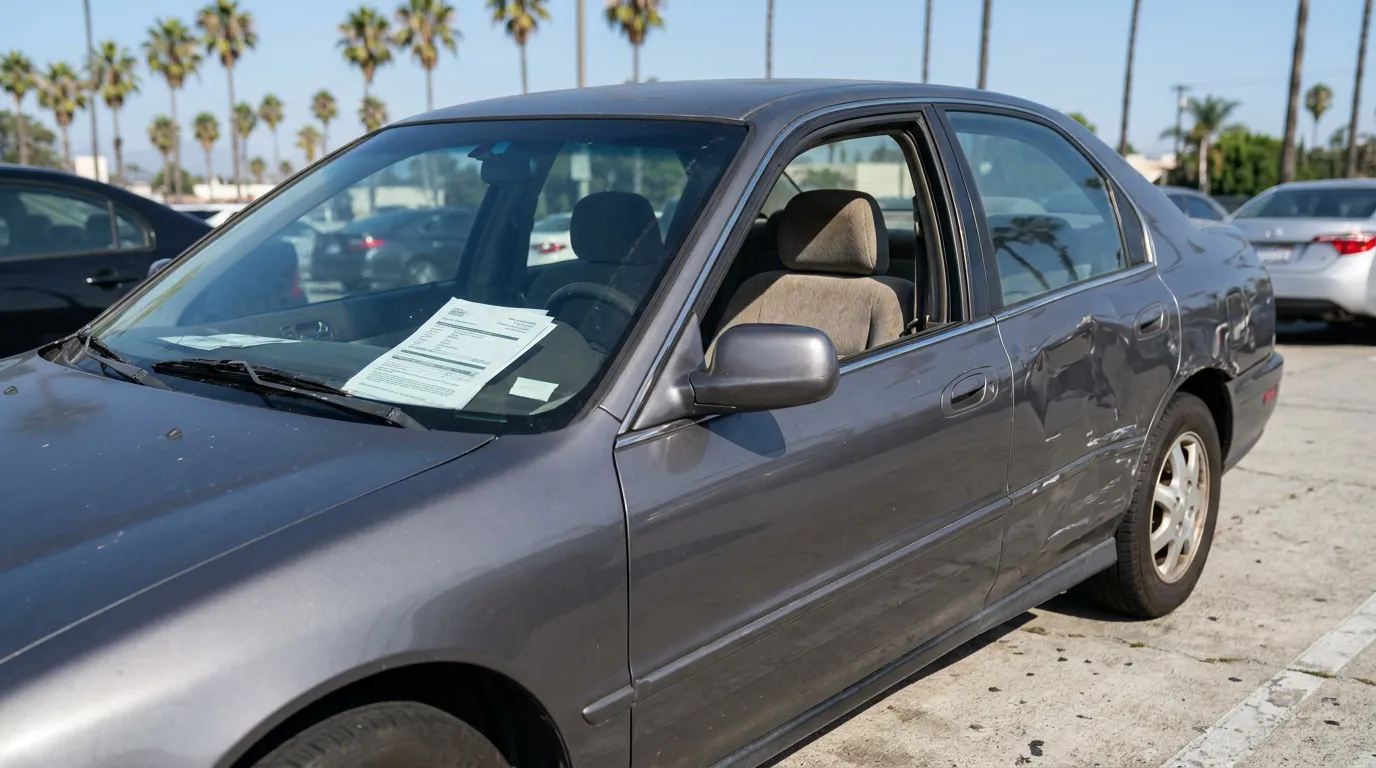
What a Total Loss Valuation Really Means for Hollywood Drivers
Key Takeaways: Disputing a total loss valuation after a Hollywood car accident depends on Florida law, which sets specific damage thresholds under Fla. Stat. § 319.30(3)(c) for when a vehicle must be branded unrebuildable. Insurers must calculate actual cash value using defined methods: comparable vehicles in your local market within 90 days, retail valuation guidebooks, or licensed dealer quotes under Fla. Stat. § 626.9743(5)(a). You can demand valuation documents, and any betterment or depreciation deductions must be itemized with specific dollar amounts. Replacement vehicle offers must meet strict comparability standards for make, model year, mileage, and condition. Building a factual record and citing governing statutes gives you the strongest position to challenge lowball offers.
Disputing a total loss valuation after a Hollywood car accident starts with understanding that Florida law, not the adjuster’s opinion, dictates how your vehicle must be valued. When an insurer declares your car a total loss with a check that feels too low, you have concrete statutory rights to demand documentation, challenge deductions, and push back on the number. The key is knowing which valuation method the insurer used and whether it followed Florida’s standards for actual cash value.
If you believe your totaled car in Hollywood, FL was undervalued, the team at Salpeter Gitkin, LLP can help you review the offer and assert your rights. Call us at (954) 467-8622 or reach out through our online case review form to discuss your total loss vehicle claim.
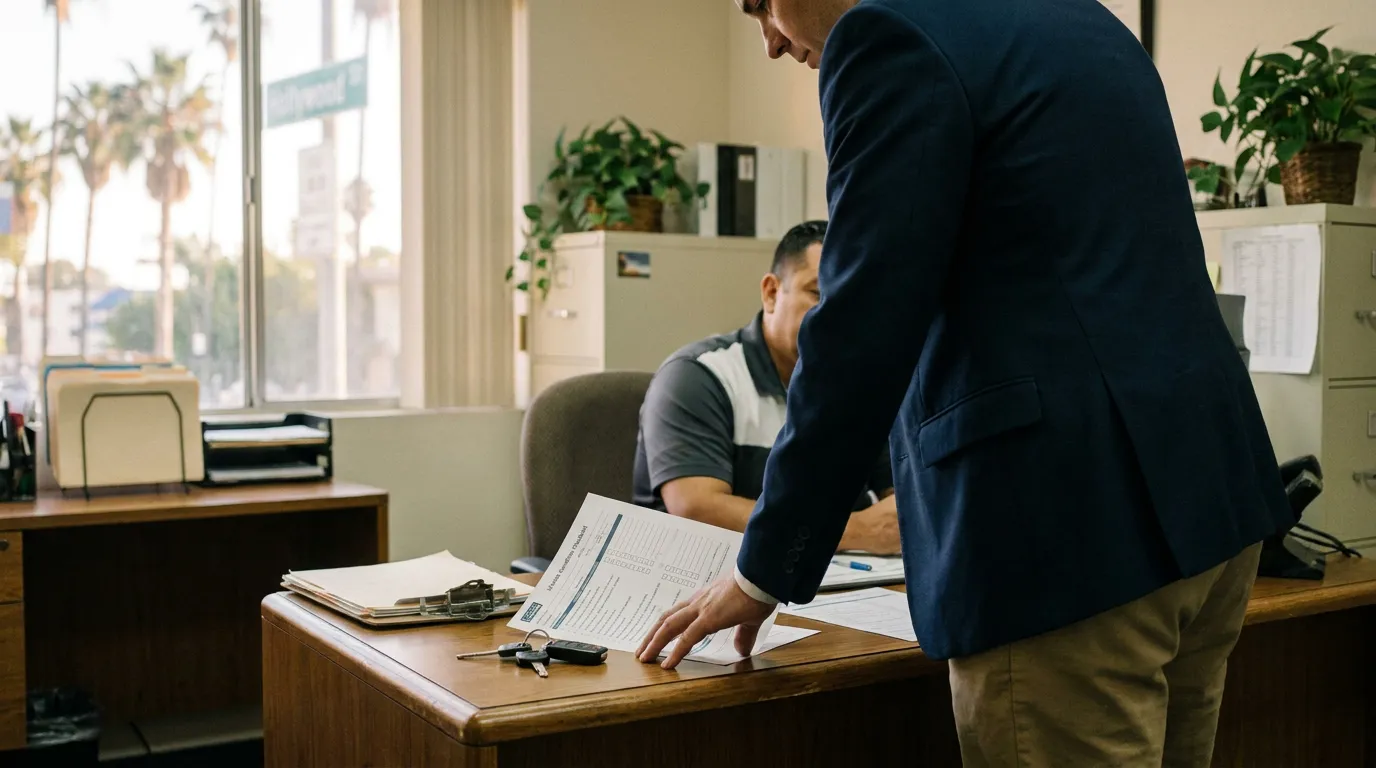
Understanding the Florida Total Loss Threshold
Florida sets specific damage thresholds that determine when a vehicle must be branded unrebuildable. For a late model vehicle with a current retail cost of at least $7,500 before damage, the state declares the car unrebuildable and issues a certificate of destruction when repair costs reach 90 percent or more of the vehicle’s current retail cost under Fla. Stat. § 319.30(3)(c). This 90 percent figure controls title branding under § 319.30; however, an insurer may declare a vehicle a total loss below that figure when repair costs and salvage value approach the car’s actual cash value.
Different rules apply to older or lower-value vehicles. If a vehicle’s current retail cost is under $7,500 before the loss, or it is not a late model vehicle, the owner or insurer must obtain a certificate of destruction only when the vehicle’s only residual value is as parts or scrap, also under Fla. Stat. § 319.30(3)(c).
The numbers behind these determinations must come from a recognized source. Under Fla. Stat. § 319.30(3)(c), the current retail cost and repair-cost estimates must be measured against an official used motor vehicle guide or valuation service, and repair estimates must reflect both physical and mechanical damage. This gives you a factual reference point to challenge an inflated repair estimate or understated vehicle value.
How Insurers Must Calculate Actual Cash Value in Florida
Florida law dictates exactly how an insurer must calculate a total loss settlement based on actual cash value. Under Fla. Stat. § 626.9743(5)(a), when a policy settles a first-party total loss on an actual cash value or like-kind-and-quality basis, the insurer must use one of several defined methods.
The statute lays out a limited menu of acceptable valuation methods:
- A cash settlement based on the actual cost to purchase a comparable vehicle, including sales tax. When comparable vehicles are available in the local market area, that cost may be derived from two or more comparable vehicles available within the preceding 90 days, per Fla. Stat. § 626.9743(5)(a)1.
- Retail cost derived from a recognized used-vehicle valuation database or guidebook, per Fla. Stat. § 626.9743(5)(a)2.
- Retail cost based on two or more quotations from licensed dealers within a reasonable distance.
Actual cash value has a defined meaning. In general, actual cash value in Florida reflects what a comparable vehicle would cost, factoring in depreciation and condition. Because the statute permits the insurer to base cash settlements on comparable vehicles actually available in your local market, you can scrutinize whether the "comparables" the adjuster used are truly similar to your car.
Your Transparency Rights When Challenging a Number
Florida gives claimants specific transparency rights that are central to any dispute total loss valuation effort. If the insurer uses an electronic database or guidebook to value your vehicle, it must, upon request, provide the pertinent portions of the valuation documents or identify the guidebook used, under Fla. Stat. § 626.9743(5)(a)2.
Deductions for betterment or depreciation must be documented. Under Fla. Stat. § 626.9743(6), when an offer reflects a reduction because of betterment or depreciation, the insurer must maintain the supporting information in its claim file, and deductions must be itemized and specific as to dollar amount. If an adjuster reduces value for "prior wear" or "condition," you can insist on the line-item basis for that reduction.
Non-standard valuation methods carry an even heavier burden. When an insurer settles a total loss using a method that deviates from the comparable-vehicle or replacement-vehicle standards, Fla. Stat. § 626.9743(5)(c) requires that the determination of value be supported by documentation, that any deductions be itemized and specified in appropriate dollar amounts, and that the basis be explained to the claimant in writing on request.
💡 Pro Tip: Put your document requests in writing and keep copies. A written demand for the valuation report creates a paper trail that supports your insurance settlement dispute Florida position if the matter escalates.
When the Insurer Offers a Replacement Vehicle
If the insurer offers a replacement vehicle instead of cash, Florida law defines what qualifies as comparable. Under Fla. Stat. § 626.9743(5)(b), a comparable replacement vehicle must be from the same manufacturer, of the same or newer model year, of similar body type, with similar options and mileage, in as good or better overall condition, and available for inspection within a reasonable distance of the insured’s residence.
These consumer protections sit within Florida’s unfair insurance trade practices framework. The statute expressly applies to the adjustment and settlement of both personal and commercial motor vehicle claims under Fla. Stat. § 626.9743(1). You can review the full statutory language in Chapter 626 of the Florida Statutes to see how these obligations are structured.
Practical Steps to Dispute a Lowball Offer
A methodical approach tends to produce better results than an emotional one. Insurers respond to documentation and statutory citations, so building a factual record generally strengthens your position. The table below outlines common dispute steps and the authority behind them.
| Step | What to Do | Supporting Authority |
|---|---|---|
| Request the valuation report | Ask for database documents or the guidebook used | Fla. Stat. § 626.9743(5)(a)2 |
| Challenge deductions | Demand itemized dollar amounts for depreciation | Fla. Stat. § 626.9743(6) |
| Verify comparables | Confirm vehicles are local and from the past 90 days | Fla. Stat. § 626.9743(5)(a)1 |
| Contest replacement offers | Check model year, mileage, and condition | Fla. Stat. § 626.9743(5)(b) |
Honesty in the process is enforced by criminal consequences. Under Fla. Stat. § 319.30(3)(c), a person who knowingly violates the total loss requirements or falsifies documentation to avoid them commits a first-degree misdemeanor. Whether an insurer can insist on writing off your car at all is a separate question addressed in our discussion of whether an insurer can force a total loss after a Hollywood crash.
💡 Pro Tip: Gather your own evidence early. Photos of your vehicle’s condition, service records, and recent local listings for similar cars can directly counter an adjuster’s comparables.
Why Legal Guidance Can Make a Difference
Total loss disputes often turn on details that are easy to overlook without knowledge of the governing statutes. An adjuster may use out-of-area comparables, stale listings, or unexplained condition deductions that do not hold up against statutory standards. A car accident lawyer Hollywood residents trust can review the valuation package, identify where it departs from Fla. Stat. § 626.9743, and press for a corrected figure.
Outcomes depend on the specific facts of your claim. No two vehicles, policies, or local markets are identical. Working with a knowledgeable Hollywood auto accident attorney means your total loss vehicle claim is measured against the correct legal standard rather than the insurer’s convenience. If you were also injured, our broader florida total loss threshold lawyer team can address both your property damage and personal injury concerns.
Frequently Asked Questions
1. How is a car declared a total loss in Florida?
A late model vehicle worth at least $7,500 before damage is declared unrebuildable when repair costs equal 90 percent or more of its current retail cost, under Fla. Stat. § 319.30(3)(c). Lower-value or non-late-model vehicles follow different rules, and an insurer may declare a total loss on economic grounds below that percentage.
2. Can I demand to see how the insurer valued my car?
Yes. Under Fla. Stat. § 626.9743(5)(a)2, if the insurer used a database or guidebook, it must provide the pertinent valuation documents or identify the guidebook on your request.
3. What can I do about depreciation deductions I disagree with?
Under Fla. Stat. § 626.9743(6), reductions for betterment or depreciation must be itemized as specific dollar amounts. You can request that documentation and challenge unsupported deductions.
4. Does the total loss statute apply to my commercial vehicle?
Yes. Fla. Stat. § 626.9743(1) applies to the adjustment and settlement of both personal and commercial motor vehicle insurance claims.
5. What if the insurer offers a replacement car instead of money?
A replacement vehicle must meet the comparability standards in Fla. Stat. § 626.9743(5)(b), including same manufacturer, similar mileage and options, and equal or better condition. Offers that fall short can be contested.
Protecting the Full Value of Your Totaled Vehicle
A total loss offer is a starting point, not a final verdict, and Florida law gives you meaningful tools to challenge it. By understanding the florida total loss threshold, verifying the insurer’s valuation method, and demanding the documentation the statutes require, you can hold an insurer to the actual cash value Florida law requires.
If a lowball valuation has left you shortchanged after a collision, Salpeter Gitkin, LLP is ready to review your options and advocate for the value you are owed. Call (954) 467-8622 or start your free consultation request today to protect your car accident claim in Florida.