Understanding Your Rights After a Cruise Ship Injury in Hollywood
Key Takeaways: Who pays for medical bills after a cruise ship injury in Hollywood depends on fault, and a negligent cruise line can be held responsible for medical expenses, lost wages, and pain and suffering. Passengers typically pay upfront through personal funds or insurance and seek reimbursement later. Liability may extend to shore-excursion operators, contractors, or onboard medical staff. Florida law caps recoverable medical damages at amounts actually paid rather than inflated billed charges. Under Florida’s comparative negligence rule, your recovery is reduced by your share of fault and eliminated entirely if you are more than 50 percent responsible. Strict deadlines apply, and cruise-ticket contracts frequently shorten Florida’s two-year window to one year with early notice provisions.
When you are injured aboard a cruise ship, the question of who pays your medical bills rarely has a simple answer. The cost may fall on the cruise line, on you, on your health insurer, or on a combination of these parties. A negligent cruise operator can be held financially responsible, but Florida law places real limits on recoverable medical costs.
If you were hurt on a cruise near Hollywood, Florida, taking the right steps quickly can make a meaningful difference. The attorneys at Salpeter Gitkin, LLP understand maritime and Florida injury law. Call our team at (954) 467-8622 or reach us through our confidential case review form to discuss how to move forward.
Who Actually Pays When You Get Hurt on a Cruise
The party that ultimately pays for your treatment depends on who was legally at fault for your injury. When a cruise line breaches its duty of reasonable care, such as failing to clean a slippery deck or ignoring a known hazard, it may be liable for resulting damages, including medical expenses, lost wages, and pain and suffering. Injured passengers often pay upfront through personal funds or private health insurance, then seek reimbursement through a claim.
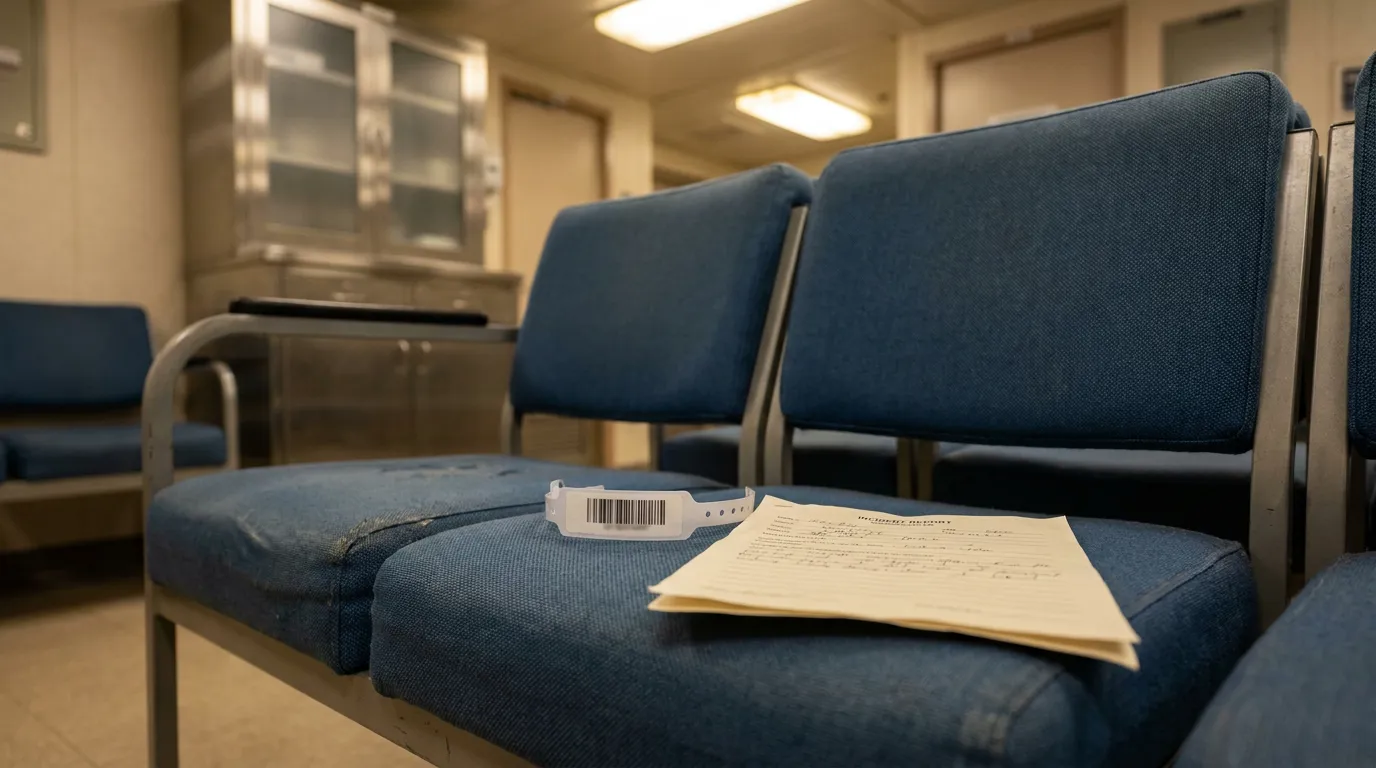
Fault is central to every cruise injury medical bills dispute. Liability may extend beyond the cruise line to shore-excursion operators, contractors, or medical staff onboard. Determining responsibility requires preserving evidence such as incident reports, photographs, and witness information. To learn more about how responsibility is assigned, our discussion of who is liable for cruise ship injuries at Port Everglades provides helpful context.
💡 Pro Tip: Request a copy of the onboard incident report before you leave the ship. Cruise lines generate these documents quickly, and having your own copy can prevent disputes later about what was recorded.
How Florida Limits the Medical Bills You Can Claim
Florida law does not let injured people recover unlimited amounts for medical care. Recoverable medical damages generally cannot exceed amounts actually paid to providers, amounts due but not yet satisfied at trial, and amounts needed for reasonable future treatment. This framework, found in Fla. Stat. § 768.0427(4)(a)-(c), defines the outer boundary of what a cruise injury victim can obtain for medical costs.
The "sticker price" on a hospital bill is often not what you can claim. Under Fla. Stat. § 768.0427(2)(a), evidence to prove past satisfied medical expenses is limited to the amount actually paid to the provider, regardless of who paid it. This means you generally recover the real out-of-pocket or insurer-paid figure rather than an inflated billed charge, a rule found within Florida’s Chapter 768 negligence provisions.
For unpaid charges, the rules become more detailed. Under Fla. Stat. § 768.0427(2)(b), admissible evidence for incurred but unsatisfied medical bills is tied to your insurance situation:
- For patients with private health coverage, what the insurer is obligated to pay plus the patient’s share of costs
- For uninsured patients, or those on Medicare or Medicaid, up to 120 percent of the Medicare reimbursement rate
- Where no Medicare rate applies, up to 170 percent of the applicable Medicaid rate
These caps directly shape claim size. Because the numbers depend on your coverage, two passengers with identical injuries may recover different amounts. That variation is why documenting every bill, payment, and insurance communication matters.
How Comparative Fault Affects Your Cruise Injury Compensation
Your own conduct can reduce the cruise injury compensation you receive. Florida uses a statutory comparative fault system codified in Fla. Stat. § 768.81, which allocates liability among all responsible parties in proportion to their share of fault. If you are found partly responsible, your recovery is reduced by your percentage of blame.
Comparative negligence is a principle courts use to reduce a plaintiff’s damages according to each party’s degree of fault. For example, if a court assigns 60 percent fault to the defendant and 40 percent to the plaintiff, the plaintiff may recover only 60 percent of the damages.
Florida applies a modified comparative negligence standard with a critical threshold. Under Fla. Stat. § 768.81(6), any party found to be greater than 50 percent at fault for his or her own harm generally may not recover any damages. Contributory fault diminishes proportionately the amount awarded as economic and noneconomic damages. Courts enter judgment against each liable party based on that party’s percentage of fault.
Why Fault Percentages Deserve Careful Attention
Small shifts in assigned fault can significantly change what a defendant pays. Because judgment is entered against each party according to its share of responsibility, allocating fault accurately is often one of the most contested parts of a cruise ship injury compensation case. Insurers frequently argue that the passenger bears substantial blame, which is why gathering objective evidence early is valuable.
Deadlines That Can End a Cruise Passenger Injury Claim
Time limits are among the most unforgiving aspects of any injury case. Florida generally gives a two-year window to file a negligence-based personal injury action under Fla. Stat. § 95.11(5)(a). This was a meaningful change from the prior four-year deadline after the 2023 tort reform legislation known as HB 837.
Maritime rules and your cruise ticket often shorten these deadlines even further. For many cruise passenger claims, federal maritime law supplies the controlling deadline. Cruise-ticket contracts frequently require passengers to provide written pre-suit notice within a limited period and to file suit within one year, often in a specific court named in a forum-selection clause. These contractual terms are commonly enforced under federal law.
Courts interpret exceptions to filing deadlines narrowly. Doctrines such as tolling or delayed discovery may apply in limited circumstances, but they do not apply automatically.
💡 Pro Tip: Locate and photograph the terms and conditions on your cruise ticket immediately after an injury. The notice and filing deadlines printed there often control your case more strictly than Florida’s general statute.
Special Considerations for Cruise Crew Members
Passengers and crew members are governed by very different legal schemes. While the Longshore and Harbor Workers’ Compensation Act, 33 U.S.C. ss. 901-944 and 948-950, covers many maritime workers, it generally does not cover a vessel’s crew members. Injured crew who qualify as seamen are instead typically covered by the Jones Act and general maritime law, including the right to maintenance and cure.
This distinction matters when identifying the right legal path. A crew member’s remedy may involve maintenance and cure, a Jones Act negligence claim, or an unseaworthiness claim instead of a standard passenger negligence suit.
Practical Steps to Protect Your Recovery
Protecting your claim starts with actions you take in the first days after an injury. Consistent documentation supports both liability and the value of your medical damages. Consider these measures:
- Seek prompt medical evaluation and keep every bill, receipt, and record
- Report the incident to ship personnel and obtain the report number
- Photograph the hazard, your injuries, and the surrounding area
- Preserve your ticket contract, boarding materials, and any correspondence
For a broader overview of how these claims are handled, our page on cruise ship accidents Hollywood Florida explains the process in more detail.
Frequently Asked Questions
1. Does the cruise line always pay my medical bills?
Not automatically. A cruise line generally pays only when its negligence caused your injury and liability is established. Even then, recoverable damages are limited by the governing law.
2. What happens if I was partly at fault for my accident?
Your recovery is typically reduced, not erased, unless you were more than half at fault. Under Fla. Stat. § 768.81(6), a claimant found greater than 50 percent responsible generally cannot recover damages.
3. How long do I have to file a cruise injury lawsuit?
Often far less time than you might expect. While Florida allows two years for many negligence claims, cruise tickets frequently impose a one-year filing deadline and shorter notice requirements that courts commonly enforce.
4. Can I recover the full amount printed on my hospital bill?
Generally no. Florida law limits past satisfied medical expenses to the amount actually paid, and it caps admissible evidence for unpaid charges based on your insurance status.
5. Are injured crew members treated the same as passengers?
No. Crew injuries usually fall under maritime and federal frameworks, such as the Jones Act and maintenance and cure, which differ substantially from passenger negligence rules.
Moving Forward With Confidence After a Cruise Injury
Recovering fair compensation after a cruise ship injury requires navigating overlapping maritime rules, Florida statutes, and contractual deadlines. Who pays your medical bills depends on fault, your insurance situation, statutory caps on damages, and strict time limits that a ticket contract can shorten. Acting quickly to preserve evidence and understand your rights is one of the most protective steps you can take.
If you or a loved one were injured on a cruise near Hollywood, the team at Salpeter Gitkin, LLP is prepared to help you understand your options. Call us today at (954) 467-8622 or request a review through our secure contact page to take the first step toward protecting your cruise injury compensation claim.