Understanding Your Rights When an Insurer Wants to Declare Your Car a Total Loss
Key Takeaways: Florida insurers cannot total your car arbitrarily. State law sets a precise standard: the 80 percent threshold under Fla. Stat. § 319.30(3)(a)1 applies to uninsured vehicles, while insured claims follow Chapter 626 valuation methods. The mutual-agreement repair exception under § 319.30(3)(a)2 prevents total loss declarations when both parties agree to repair. You have transparency rights to documentation and itemized deductions, plus the right to retain your vehicle and receive the salvage title directly. Because the statute defers to policy language on settlement disputes, outcomes depend on facts and coverage, making early negotiation essential.
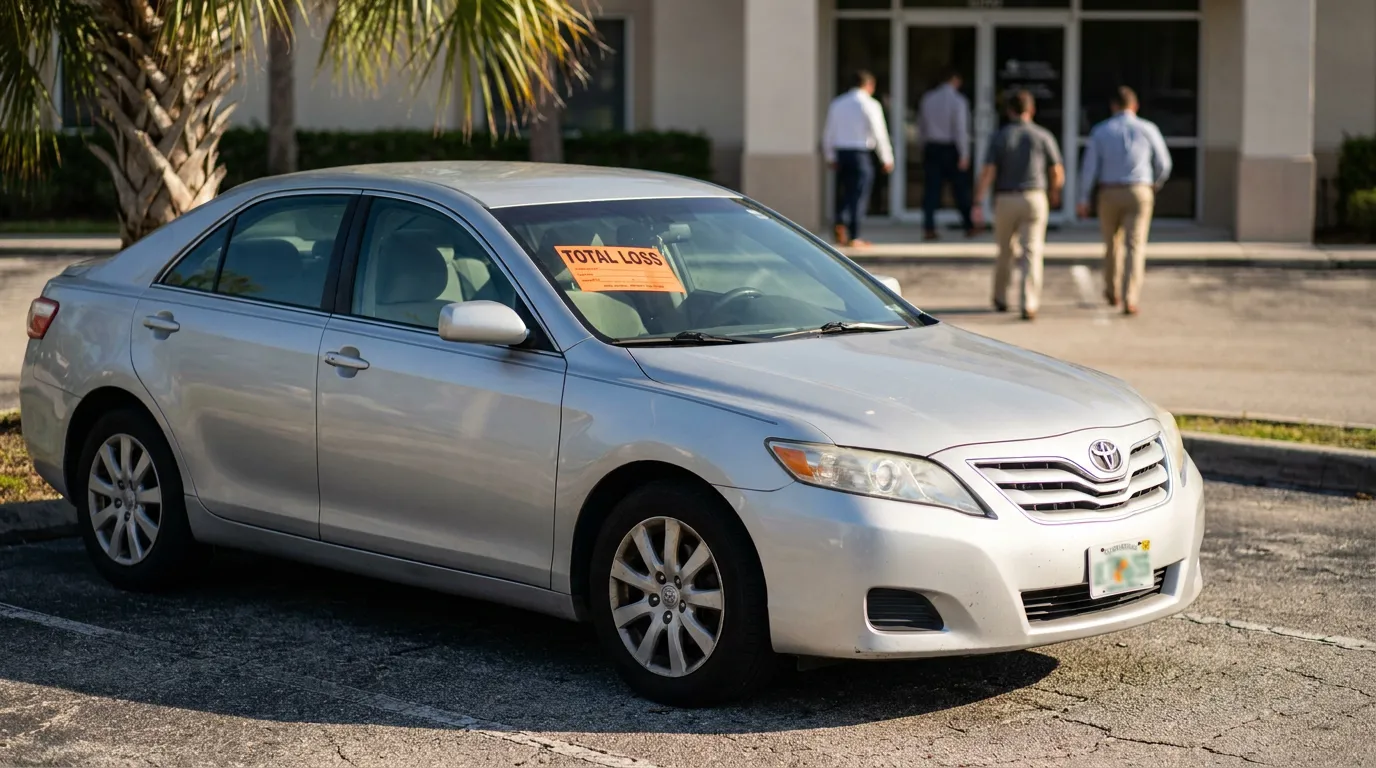
A Florida insurer cannot override your wishes without legal limits but is not required to repair a vehicle you want to keep. Whether an insurance company can force a total loss depends on statutory thresholds, claim type, and policy language. For drivers dealing with Car Accidents in Hollywood Florida, understanding the line between an insurer’s lawful authority and your protected rights is the first step toward a fair outcome.
If you believe an insurer is undervaluing your vehicle or pressuring you into an unfair total loss, the team at Salpeter Gitkin, LLP is ready to help. Call our office at (954) 467-8622 or reach out through our online case review form.
What "Total Loss" Legally Means in Florida
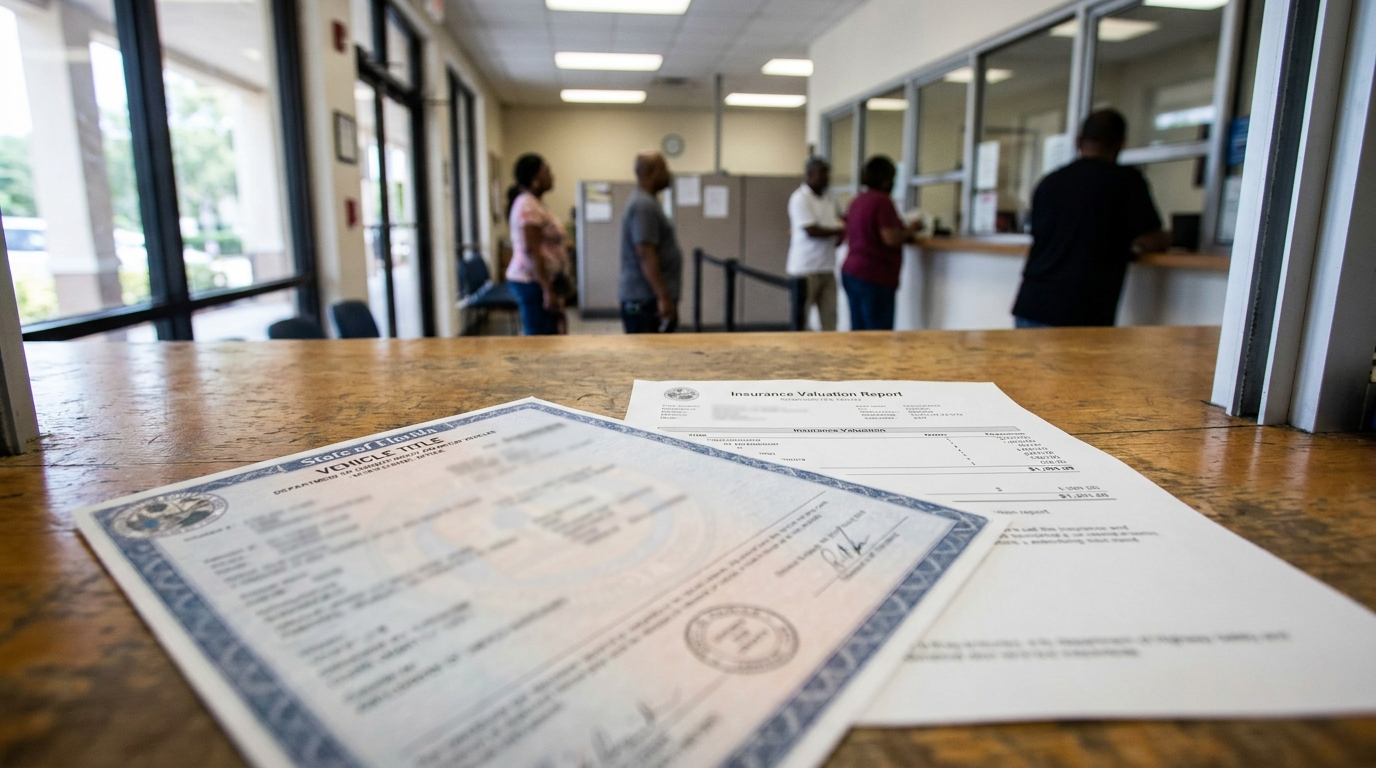
Florida provides a precise statutory definition of when a vehicle becomes a total loss, preventing arbitrary application. Under Fla. Stat. § 319.30(3)(a)1, a vehicle is a total loss when an insurance company pays the owner to replace the wrecked vehicle with one of like kind and quality, pays upon theft, or when an uninsured vehicle’s repair cost equals or exceeds 80 percent of replacement cost. This 80 percent figure is the bright-line standard for uninsured vehicles. Insured total loss decisions are governed by the Chapter 626 valuation framework.
💡 Pro Tip: Request the insurer’s full valuation documentation in writing before agreeing to any settlement.
The 80 percent threshold applies specifically to uninsured vehicles. When insurance coverage exists, the analysis shifts to Chapter 626’s settlement framework. You can review the underlying titling rules in the state’s official Chapter 319 motor vehicle title statutes.
How the Florida Total Loss Statute Constrains Insurers
The Florida total loss statute limits insurer discretion by prescribing specific valuation methods. Under Fla. Stat. § 626.9743(5), when a policy provides for settlement of first-party total losses on an actual cash value or like kind and quality basis, the insurer "shall use one of the following methods." The insurer may settle in cash based on two or more comparable vehicles, rely on a generally recognized used-motor-vehicle industry source, or obtain two or more quotations from two or more licensed dealers in the local market area. The overall cash settlement includes sales tax if applicable pursuant to subsection (9), which permits the insurer to defer sales tax payment until the obligation is actually incurred by the claimant. Each approach has documentation requirements that protect the policyholder. Broader insurance practices appear in the state’s consumer-focused insurance code provisions under Chapter 626.
Can an Insurance Company Force You to Total Your Car?
Whether an insurance company can force you to total your car depends largely on mutual agreement to repair. Under Fla. Stat. § 319.30(3)(a)2, a vehicle "shall not be considered a total loss if the insurance company and owner agree to repair, rather than to replace" it. This carve-out gives owners meaningful leverage to negotiate repair over a total loss declaration.
That leverage comes with a condition. If both parties agree to repair and the actual repair cost then exceeds 100 percent of replacement cost, the owner must forward a request to brand the title with "Total Loss Vehicle" within 72 hours. Repair is possible by agreement, but the title may still carry a brand if costs climb high enough.
💡 Pro Tip: Raise the repair-versus-replace conversation early. Once an insurer formalizes a total loss and issues payment, your negotiating position narrows.
The question of insurer authority becomes more nuanced when no agreement exists. Florida law does not force an insurer to repair a vehicle it has valued as a total loss, nor guarantee an owner the right to demand repair. As Fla. Stat. § 626.9743(10) states, nothing in the section authorizes or precludes enforcement of policy provisions relating to settlement disputes, so your policy language often controls the outcome.
Valuation Methods and Your Right to Transparency
Florida law requires insurers to use one of three approved approaches to determine your vehicle’s value. Under Fla. Stat. § 626.9743(5)(a), the cost for a total loss cash settlement may be derived from: (1) the cost of two or more comparable motor vehicles available in the local market area within the preceding 90 days, (2) the retail cost from a generally recognized used motor vehicle industry source, or (3) two or more quotations from two or more licensed dealers in the local market area. The overall cash settlement includes sales tax if applicable pursuant to subsection (9), which permits the insurer to defer sales tax payment until the obligation is actually incurred by the claimant.
The insurer may instead offer a specified comparable replacement vehicle. Under Fla. Stat. § 626.9743(5)(b), that replacement must be made by the same manufacturer, of the same or newer model year, with similar options and mileage, in as good or better condition, and available for inspection within a reasonable distance.
| Settlement Method | Statutory Basis | Key Requirement |
|---|---|---|
| Cash from comparable vehicles | § 626.9743(5)(a) | Two or more local-market vehicles within 90 days |
| Industry source valuation | § 626.9743(5)(a) | Recognized database or guidebook retail cost |
| Dealer quotations | § 626.9743(5)(a) | Two or more licensed local dealers |
| Replacement vehicle | § 626.9743(5)(b) | Same maker, similar options, inspectable nearby |
When an insurer varies from these standard methods, your transparency rights expand. Under Fla. Stat. § 626.9743(5)(c), a variant determination "must be supported by documentation, and any deductions from value must be itemized and specified in appropriate dollar amounts," with the basis explained in writing on request. Likewise, Fla. Stat. § 626.9743(6) requires that betterment or depreciation deductions be itemized and accurately reflect the assigned value.
💡 Pro Tip: Keep records of recent local listings for vehicles like yours. Independent comparables can be persuasive when disputing valuations.
Protections for Owners Who Want to Keep Their Vehicle
Florida law expressly protects an owner’s right to retain a vehicle after a total loss settlement. Generally, when an insurer pays a total loss claim, it must obtain the certificate of title from the owner, make the required NMVTIS notification, and then forward the title to the Department of Highway Safety and Motor Vehicles within 72 hours after receiving such certificate of title. However, under Fla. Stat. § 319.30(3)(b), if the owner retains possession, the department must issue the salvage certificate of title or certificate of destruction directly to the owner.
Additional safeguards prevent premature disposal. Under the same provision, neither the owner nor insurer may dispose of a total loss vehicle before obtaining a salvage certificate of title or certificate of destruction from the department.
Third-party claims carry their own lien-search requirement. Under Fla. Stat. § 627.743(1), before paying a total loss claim on a vehicle owned by someone who is not a named insured, the insurer must search department records for liens and, if any exist, pay jointly to the owner and first lienholder of record. This is common in Car Accidents in Hollywood Florida where the at-fault driver’s insurer pays the victim.
Practical Steps to Protect Your Position
Taking deliberate steps early can preserve your rights and strengthen any later dispute. The following actions are commonly useful when you disagree with a total loss decision:
- Request the insurer’s valuation report and itemized deductions in writing.
- Gather independent comparables and recent maintenance or upgrade records.
- Confirm in writing whether you intend to retain the vehicle.
- Note the 72-hour and 30-day timelines in the titling statutes.
Outcomes depend heavily on specific facts and policy terms. Because the statute defers to policy provisions on settlement disputes, two owners with similar damage can face different results based on coverage. You can read more in our related guide on whether an insurer can force a total loss after a Hollywood crash.
💡 Pro Tip: If an adjuster says repair is "not allowed," ask whether the insurer would agree to repair under § 319.30(3)(a)2.
Frequently Asked Questions
-
Can insurance total my car if I would rather repair it?
An insurer is not automatically required to repair a vehicle it has valued as a total loss. However, under Fla. Stat. § 319.30(3)(a)2, the vehicle is not a total loss if you and the insurer mutually agree to repair it. Agreement depends on negotiation and your policy language. -
What is the 80 percent total loss rule in Florida?
The 80 percent threshold under Fla. Stat. § 319.30(3)(a)1 applies to uninsured vehicles. A vehicle is a total loss when repair costs equal or exceed 80 percent of replacement cost. Insured claims are governed by Chapter 626 valuation methods. -
Do I have a right to keep my totaled vehicle?
Yes, Florida law allows owners to retain possession after a total loss settlement. Under Fla. Stat. § 319.30(3)(b), if you keep the vehicle, the salvage title is issued directly to you. -
How can I challenge a low total loss valuation?
Request documentation supporting the insurer’s value and itemized deductions. Under Fla. Stat. § 626.9743(5)(c) and (6), variant valuations and deductions must be documented and explained in writing on request. Independent comparables can support your position. -
Does a forced car total loss affect a third-party claim?
Third-party total loss payments require a lien search first. Under Fla. Stat. § 627.743(1), the insurer must check department records and, if liens exist, pay the owner and first lienholder jointly.
Putting Your Total Loss Rights in Perspective
Florida law gives insurers structured authority to declare a total loss while preserving meaningful protections for vehicle owners. Between the statutory valuation methods, the mutual-agreement repair exception, the right to retain your vehicle, and your transparency rights, you are far from powerless when you disagree with an insurer. However, because the governing statute defers to policy provisions on settlement disputes, the strength of your position often turns on facts and coverage details. Guidance from a trusted Hollywood car accident lawyer can help you weigh repair, retention, and valuation options with confidence.
If an insurer is pressuring you toward a total loss you believe is unfair, do not navigate it alone. The attorneys at Salpeter Gitkin, LLP handle injury and vehicle claims throughout Hollywood and Fort Lauderdale. Call our team today at (954) 467-8622 or complete our confidential contact request to discuss how Florida’s total loss rules may apply to your case.