
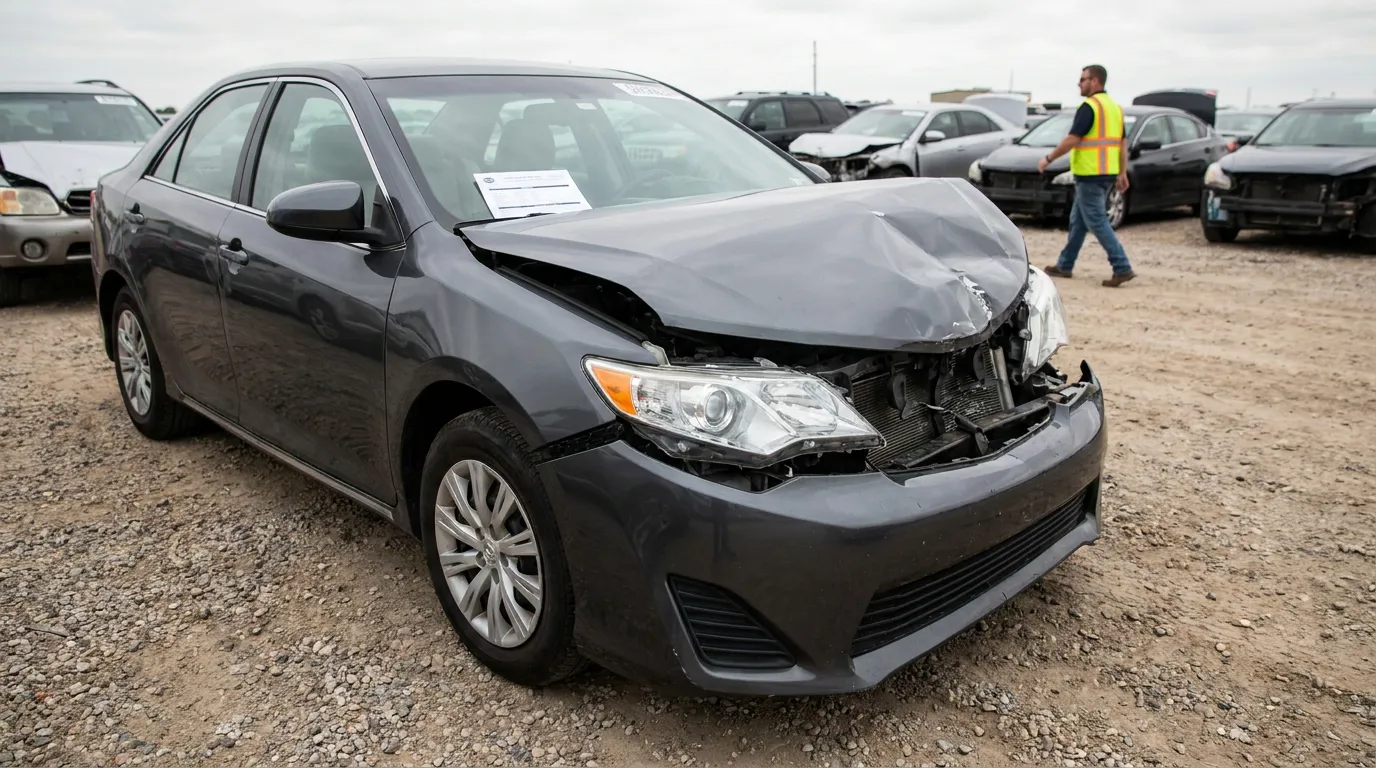
Understanding How Insurers Value Your Totaled Car in Hollywood
Key Takeaways: Yes, CCC and Mitchell valuations directly affect total loss offers Hollywood drivers receive. Florida law ties these electronic database figures to both your payout and the legal determination of whether your car must be branded unrebuildable. Under Fla. Stat. § 319.30(3)(c), qualifying late model vehicles, seven model years old or newer, worth at least $7,500, are declared unrebuildable when repair costs reach 90 percent of retail value, measured against recognized valuation guides. Fla. Stat. § 626.9743(5) requires insurers to use prescribed settlement methods, including local market comparables available within 90 days. You have the right under Fla. Stat. § 626.9743(5)(a) to review underlying CCC or Mitchell documentation upon request. Any betterment or depreciation deductions must be itemized, dollar-specific, and explained in writing under Fla. Stat. § 626.9743(6). Because inaccurate valuations can distort both your settlement and the unrebuildable classification, reviewing these numbers is often the first step in disputing a lowball offer.
When your vehicle is badly damaged in a crash, the insurance company typically relies on valuation platforms like CCC and Mitchell to generate a number, and that number drives the total loss offer you receive. For Hollywood, Florida drivers, these software outputs can mean the difference between a fair payout and a lowball settlement.
If you are facing a disputed total loss offer after a Hollywood Florida car accident, the attorneys at Salpeter Gitkin, LLP may be able to help you evaluate whether your payout reflects the true value of your vehicle. You can reach our team online or call us at (954) 467-8622 to discuss your situation. Getting answers early can help protect your financial recovery.
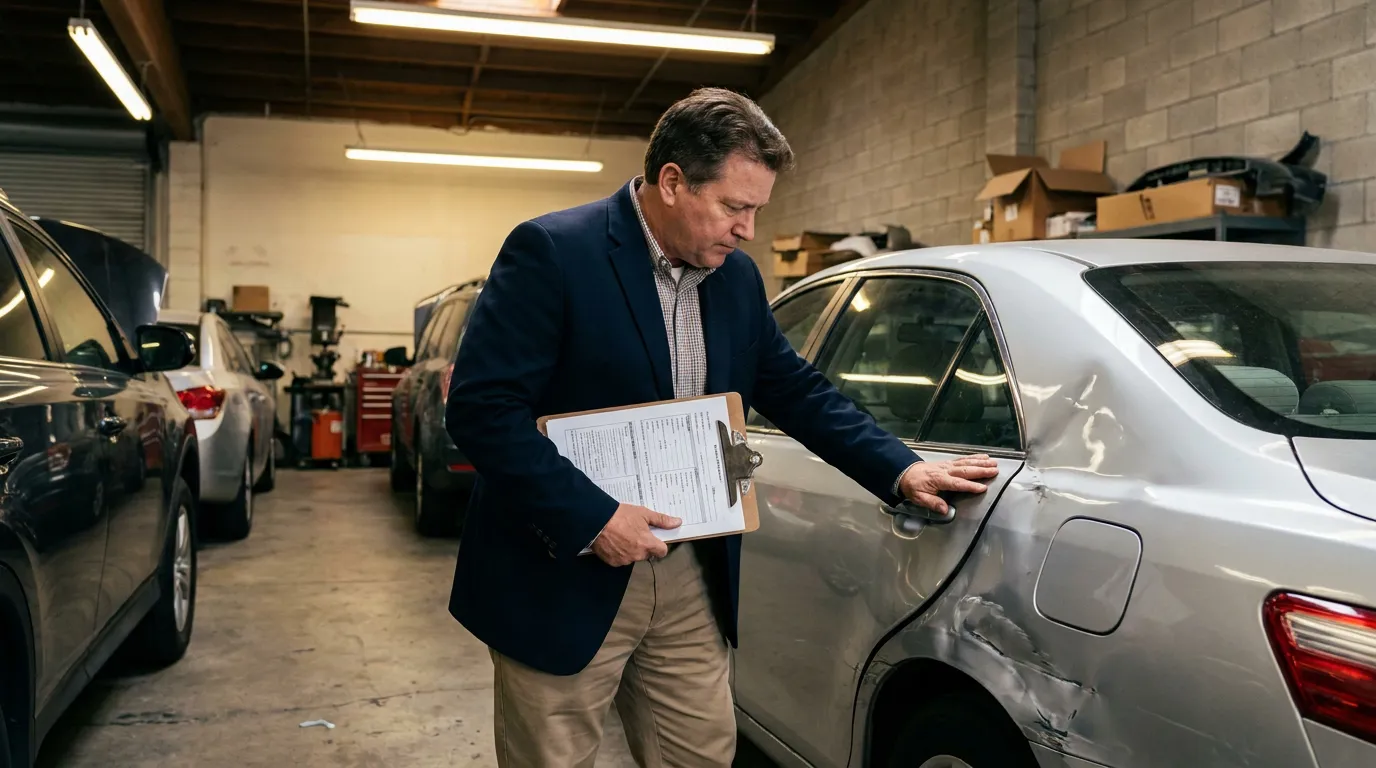
How Florida Decides When a Car Must Be Totaled
Florida law uses specific damage-to-value thresholds to determine when a badly damaged vehicle must be branded unrebuildable. Under Fla. Stat. § 319.30(3)(c), for late model vehicles, seven model years old or newer, with a current retail cost of at least $7,500 before the damage, the department must declare the vehicle unrebuildable and issue a certificate of destruction if repair costs reach 90 percent or more of its retail value. This statutory threshold controls the vehicle’s title status rather than an insurer’s economic decision to declare a total loss.
These thresholds are measured against figures from an official used motor vehicle guide or valuation service. In practice, that means CCC total loss valuation and Mitchell reports are directly tied to the legal question of whether your car must be branded unrebuildable. An inaccurate valuation can affect both your payout and the underlying title determination.
Can Insurance Company Force You to Total Your Car After a Crash?
Whether an insurance company can force you to total your car depends on how the damage compares to your vehicle’s value. Florida’s statutory thresholds control when a vehicle must be branded unrebuildable, though an insurer may also declare a total loss under its own policy terms, often at a lower economic threshold, when repairs are not cost-effective.
The classification depends on documented repair estimates, the vehicle’s pre-loss retail value, and the valuation source used. If those inputs are flawed, the conclusion may be flawed too. For a deeper look at this issue, our discussion on whether an insurer can force a total loss after a Hollywood crash explains the process in more detail.
💡 Pro Tip: Ask your insurer in writing to identify the exact valuation source and repair estimate it used. This creates a paper trail you can rely on if you later need to dispute the total loss offer Florida insurers extend.
What CCC and Mitchell Valuation Software Actually Does
CCC and Mitchell are electronic databases that generate the retail value figures insurers use to settle total loss claims. Under Fla. Stat. § 626.9743(5), when a policy provides for settlement of first-party motor vehicle total losses on an actual cash value or like-kind-and-quality basis, the insurer must use one of several prescribed methods.
The Statutory Valuation Methods
Florida gives insurers a limited menu of approaches for settling a total loss. Under Fla. Stat. § 626.9743(5), the insurer must use one of two prescribed methods:
- A cash settlement based on the actual cost to purchase a comparable motor vehicle.
- Offering a specified comparable replacement vehicle available to the insured.
Subsection (5)(c) further requires that any settlement varying from these methods be supported by documentation, with deductions itemized in appropriate dollar amounts and explained in writing upon request.
The cash settlement approach carries its own requirements for determining actual cost. Fla. Stat. § 626.9743(5)(a) provides three independent methods for deriving the actual cost to purchase a comparable motor vehicle: (1) when comparable vehicles are available in the local market area, the cost of two or more such comparable vehicles available within the preceding 90 days; (2) the retail cost from a generally recognized used motor vehicle industry source such as an electronic database or guidebook, which is the category into which insurance valuation software like CCC and Mitchell falls; or (3) the retail cost using two or more quotations obtained from two or more licensed dealers in the local market area. These are separate and independent alternatives. This is why these platforms heavily influence the totaled car value Hollywood drivers are offered.
Local Market Comparables Matter
When comparable vehicles are used to set value, they must reflect the local market. Fla. Stat. § 626.9743(5)(a) provides that when comparable vehicles are available in the local market area, the insurer may use the cost of two or more such comparable vehicles available within the preceding 90 days. This becomes important when a CCC or Mitchell offer relies on comparables pulled from outside the Hollywood, Florida market, which can distort your actual cash value Florida figure.
Your Right to See the Numbers Behind the Offer
Florida law entitles you to review the documentation that supports a database-generated total loss offer. Under Fla. Stat. § 626.9743(5)(a), an electronic database valuation applies only if the insurer provides the pertinent portions of the valuation documents to the first-party insured upon request.
This transparency requirement gives Hollywood claimants a meaningful check on the process. You can demand the underlying CCC or Mitchell report and examine exactly how your figure was calculated, including which comparables were used and what adjustments were applied. Reviewing this documentation is often the first step in a Florida total loss claim dispute. You can learn more about how our firm approaches these matters on our car accident attorney Hollywood page.
Challenging Condition and Depreciation Deductions
Deductions for condition, betterment, or depreciation cannot be arbitrary under Florida law. Fla. Stat. § 626.9743(6) requires that reductions for betterment or depreciation be itemized, specific as to dollar amount, and accurately reflect the value assigned. The insurer must also explain the basis for those deductions to the claimant in writing on request, with the documentation retained in the claim file.
Settlements that vary from the standard statutory methods face additional scrutiny. Under Fla. Stat. § 626.9743(5)(c), when an insurer settles on a basis that departs from the prescribed methods, the determination of value must be supported by documentation, and any deductions must be itemized and specified in appropriate dollar amounts. These provisions give you a legal footing to contest unsupported mileage or condition adjustments in valuation software.
| Statutory Provision | What It Requires |
|---|---|
| Fla. Stat. § 319.30(3)(c) | Unrebuildable threshold tied to 90% repair-to-value for qualifying late model vehicles |
| Fla. Stat. § 626.9743(5) | Approved methods for settling first-party total losses |
| Fla. Stat. § 626.9743(5)(a) | Three independent methods for deriving comparable vehicle cost, including local comparables within 90 days and access to database documents |
| Fla. Stat. § 626.9743(6) | Itemized, dollar-specific betterment and depreciation deductions |
Fla. Stat. § 627.744(2) contains exemptions from physical damage inspection requirements, including policyholders continuously insured for two years or longer, new vehicles from licensed dealers, and vehicles ten model years old or older. You can review the broader statutory framework in Florida Chapter 626 and the total loss title provisions in the motor vehicle title statute.
Frequently Asked Questions
1. Can insurance company force you to total your car if you want it repaired?
Once repair costs cross Florida’s statutory threshold under Fla. Stat. § 319.30(3)(c), the vehicle must be declared unrebuildable regardless of the owner’s preference, and an insurer may also declare a total loss under its policy terms when repairs are uneconomical.
2. Do I have a right to see the CCC or Mitchell report?
Yes. Under Fla. Stat. § 626.9743(5)(a), if the insurer used an electronic database, it must provide the pertinent portions of the valuation documents on request.
3. What if the comparables came from outside Hollywood?
Fla. Stat. § 626.9743(5)(a) provides that when comparable vehicles are available in the local market area, the insurer may use the cost of two or more such comparable vehicles available within the preceding 90 days. Comparables from distant markets may be a basis to question the total loss offer.
4. Can I challenge a condition or mileage deduction?
Yes. Fla. Stat. § 626.9743(6) requires that betterment and depreciation deductions be itemized, dollar-specific, and accurately reflect assigned value, providing a legal basis to dispute unexplained adjustments.
5. Does a low valuation affect whether my car is totaled?
Yes. Because the unrebuildable threshold under Fla. Stat. § 319.30(3)(c) is measured against valuation guide figures, an inaccurate value may influence both your payout and the title classification.
Protecting Your Vehicle’s True Value After a Hollywood Crash
Understanding how CCC and Mitchell valuations shape your total loss offer puts you in a stronger position to respond. Florida law provides real protections, from access to underlying valuation documents to requirements that deductions be itemized and that comparables reflect the local market. When those standards are not met, you may have grounds to push back on an inadequate offer.
If you believe your totaled car value has been undervalued after a car accident Hollywood Florida residents can turn to Salpeter Gitkin, LLP for guidance. Call us at (954) 467-8622 or schedule a consultation to have your total loss offer reviewed. Taking action promptly can help safeguard the compensation you deserve.