
How Long You Have to Sue After a Hollywood Car Crash
Key Takeaways: In most Florida car accident cases, you have two years from the date of the crash to file a negligence lawsuit under Fla. Stat. § 95.11(5)(a). The deadline used to be four years, but House Bill 837 cut it to two years for most negligence claims that arose after March 24, 2023. Wrongful death claims also have a two-year deadline, which usually starts on the date of death. Medical malpractice claims generally must be filed within two years, with an outside limit of four years in most cases. Talking with an insurer or filing a PIP claim does not pause the clock. HB 837 also generally bars recovery if you are found more than 50 percent at fault. Acting early by keeping records, getting medical care, and talking to a lawyer well before the deadline may help you protect your claim.
In most Florida car accident cases, you have two years from the date of the crash to file a negligence lawsuit. That deadline comes from Fla. Stat. § 95.11(5)(a), which lists "an action founded on negligence" under the heading "WITHIN TWO YEARS." Because most car crash injury claims are based on negligence, this is the basic deadline victims need to know. If you miss it, the defendant can raise the deadline as a defense, and a court may dismiss your case even if your injuries are serious.
If you or a loved one was hurt in a crash in Hollywood, Fort Lauderdale, or Miami, the clock may already be running. The team at Salpeter Gitkin, LLP can review your timeline and explain your options. Call (954) 467-8622 or contact us now to schedule a consultation.
Why Florida Cut Its Deadline in Half
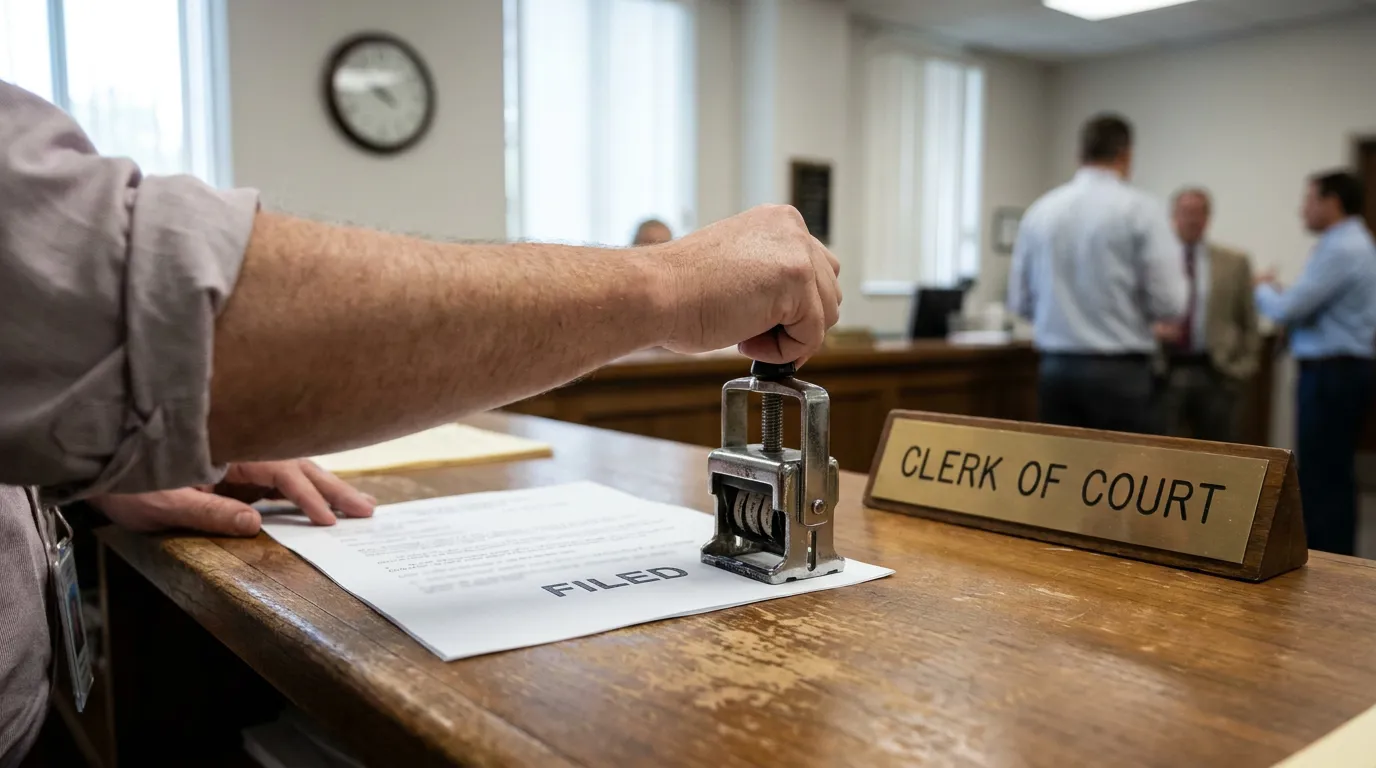
For decades, Florida gave injured people four years to file a negligence lawsuit. That changed in 2023 when the Legislature passed House Bill 837, a broad tort reform law. It cut the time to file to two years for negligence claims that arose after the law took effect on March 24, 2023. Claims that arose before that date generally still get four years.
This change catches many crash victims off guard. Friends, family members, or older online articles may still say Florida allows four years. That is now out of date for most new claims. People who wait to see how they heal, or who keep talking with an insurer, can run out of time before they realize it.
Where the Rule Appears in the Statutes
The two-year negligence rule sits in subsection (5) of Fla. Stat. § 95.11, under the heading "WITHIN TWO YEARS." You can read the full text of Florida’s limitations statutes on the Florida Senate website. Paragraph (a) covers general negligence claims, and other paragraphs set separate rules for other cases.
HB 837 Also Changed Comparative Fault
The same 2023 law also changed how shared fault works in Florida negligence cases. Under Fla. Stat. § 768.81(6), if you are found more than 50 percent at fault for your own harm, you generally cannot recover damages. Medical negligence claims are the main exception. If you are 50 percent at fault or less, the court reduces your award by your share of fault. Insurers often argue shared fault, so gathering strong evidence early matters.
Key Deadlines That Can Apply After a Crash
Not every claim tied to a car accident follows the same rule. The table below sums up several deadlines under Fla. Stat. § 95.11 that often come up for crash victims.
| Type of Claim | General Deadline | Statute |
|---|---|---|
| Negligence (most car accident injury claims) | 2 years | Fla. Stat. § 95.11(5)(a) |
| Wrongful death | 2 years | Fla. Stat. § 95.11(5)(e) |
| Medical malpractice | 2 years from incident or discovery, generally no later than 4 years | Fla. Stat. § 95.11(5)(c) |
These are general rules, and the facts of your case can change how they apply. The start date, the type of defendant, and the legal theory can all affect your deadline. Claims against government agencies also require notice before you sue.
When the Clock Starts on a Florida Injury Claim
The two-year period usually starts on the date of the crash, because that is when the negligence claim arises. Some injuries, such as a herniated disc or a traumatic brain injury, may take days or weeks to diagnose. Still, a late diagnosis generally does not extend your deadline in a standard car accident case.
Wrongful Death Claims for Families
Families who lose a loved one in a fatal crash also face a two-year deadline. Fla. Stat. § 95.11(5)(e) lists "an action for wrongful death" among the claims that must be filed within two years. The clock generally runs from the date of death, which may be later than the crash date. If the death resulted from medical malpractice, the malpractice time limits may apply instead.
When Medical Treatment Makes Injuries Worse
Sometimes a crash injury gets worse because of a treatment error at a hospital or doctor’s office. In that case, you may have a separate medical malpractice claim. Under Fla. Stat. § 95.11(5)(c), you generally must file within two years from the incident or from when you found, or should have found, the error. In most cases, you cannot file later than four years from the incident. Exceptions include fraud, concealment, or intentional misrepresentation, where the outside limit may extend to seven years, and claims involving minors.
Exceptions to these deadlines are limited, and courts read them narrowly. Florida law pauses the clock only in certain situations listed in the statutes, such as those in Fla. Stat. § 95.051. Treat the two-year mark as firm and act well before it.
💡 Pro Tip: Write down the exact date and time of your crash and keep a copy of the police report. That date is usually when your deadline starts.
How Insurance Rules Can Affect What You Recover
The filing deadline is only part of the picture. How much you may recover often depends on who owned the vehicle and how much insurance is available. Florida’s financial responsibility laws in Chapter 324 set special rules for rental cars, borrowed vehicles, and drivers with DUI convictions.
Rental Cars and Borrowed Vehicles
If the at-fault driver was renting the car for less than one year, Florida law generally treats the rental company as the owner, but caps its liability. Under Fla. Stat. § 324.021(9)(b)2., the company is treated as the owner "only up to $100,000 per person and up to $300,000 per incident for bodily injury," plus $50,000 for property damage. If the renter or driver is uninsured or has less than $500,000 in combined coverage, the company may owe up to an extra $500,000, but only for economic damages. However, the federal Graves Amendment (49 U.S.C. § 30106) generally protects rental companies from liability for a renter’s driving when the company itself did nothing wrong.
Similar caps generally apply when a person lends a vehicle to someone with permission. Under Fla. Stat. § 324.021(9)(b)3., an individual owner is generally liable only up to $100,000 per person, $300,000 per incident for bodily injury, and $50,000 for property damage, with a possible extra $500,000 in economic damages if the borrower is uninsured or underinsured. The owner may still face uncapped liability for their own negligence, such as knowingly lending a car to an unsafe driver. You can review Florida’s financial responsibility law for the full text.
Drunk Drivers and Higher Coverage Requirements
Florida requires some drivers with DUI convictions to carry more liability coverage. Under Fla. Stat. § 324.023, this applies to drivers found guilty of DUI, or who pleaded guilty or no contest, after October 1, 2007. They must be able to pay $100,000 for injury or death of one person, $300,000 for two or more people, and $50,000 for property damage in any one crash, generally for at least three years after license reinstatement.
For victims, this may mean more coverage is available if a driver with a past DUI conviction caused the crash. Not every drunk driver must meet this rule, though, and some drivers do not comply. Finding every possible source of coverage early, including your own uninsured/underinsured motorist coverage, can make a real difference.
Practical Steps to Protect Your Claim
Acting early, long before the deadline, may be one of the best ways to protect your rights. Evidence can disappear, witnesses may forget details, and businesses may erase video footage.
These steps may help protect your claim:
- Get medical care promptly and follow your treatment plan.
- Keep copies of medical bills, records, and proof of lost wages.
- Save photos of the scene, the vehicles, and your injuries.
- Avoid giving recorded statements to the other driver’s insurer without legal advice.
- Track your key dates, including your Florida injury claim deadline.
Talking with an insurance company does not pause the deadline. Many people assume an open claim protects them, but it does not. Many of the same timing concerns apply in slip-and-fall cases, which we explain in our guide to meeting Florida’s two-year filing deadline for premises claims.
💡 Pro Tip: Lawsuits often take weeks to prepare. Talking to a lawyer several months before your two-year deadline gives you time to gather records and find every responsible party.
A Hollywood car accident lawyer can help you avoid costly timing mistakes. Our Hollywood car accident lawyer team can review your crash, identify the deadlines that apply, and help you seek payment for medical bills, lost wages, and pain and suffering where the law allows.
Frequently Asked Questions
-
Is the statute of limitations for a car accident in Florida still four years?
For most negligence claims that arose after March 24, 2023, the deadline is now two years. HB 837 cut the period from four years. Claims that arose before that date generally still get four years.
-
Does the two-year deadline apply to wrongful death claims?
Yes, you generally must file a wrongful death case within two years under Fla. Stat. § 95.11(5)(e). The clock generally starts on the date of death.
-
Does filing a PIP claim stop the clock on my lawsuit?
No, filing a PIP or insurance claim does not pause the deadline. An insurance claim and a lawsuit are separate.
-
What happens if I miss the deadline?
If you file late, the court may dismiss your case. A few narrow exceptions may apply, but courts read them strictly.
-
Can I still recover if I was partly at fault?
Possibly, if your share of fault is 50 percent or less under Fla. Stat. § 768.81(6). The court will reduce your damages by your percentage of fault. If you are found more than 50 percent at fault, you generally cannot recover, except in medical negligence cases.
Protecting Your Right to Compensation
Florida’s two-year deadline leaves little room for delay after a car crash. Fla. Stat. § 95.11(5)(a) sets the deadline for most negligence claims, and wrongful death and medical malpractice claims have their own rules. Knowing these rules early may help you protect your claim.
Don’t wait until it’s too late to file. Reach out to Salpeter Gitkin, LLP to talk through your crash and your timeline. Call (954) 467-8622 or schedule your consultation today.
Disclaimer: This content is for informational purposes only and is not legal advice. Every case is unique, and results may vary. Consult an attorney about your specific situation.