Why Your Visitor Status Can Shape a Hollywood Injury Claim
Key Takeaways: In Florida, your legal status as an invitee, licensee, or trespasser helps decide how much care a property owner owed you. If you were hurt as a customer at a Hollywood store, restaurant, hotel, or other business open to the public, you are generally an invitee owed the highest duty of care. Social guests were traditionally treated as licensees owed a narrower duty. Since Wood v. Camp (Fla. 1973), Florida courts have generally given invited social guests the same duty as invitees. Under Fla. Stat. § 768.075, "invitation" depends on an objectively reasonable belief that you were welcome in the area where you were hurt, so entering a restricted area can change your classification. Even an invitee who slips on a transitory substance must prove the business had actual or constructive knowledge of the hazard under Fla. Stat. § 768.0755. Comparative fault may reduce your recovery, and can bar it entirely if you’re found more than 50% at fault. Acting quickly to gather evidence, get medical care, and meet Florida’s shortened filing deadlines can help protect your claim.
Your legal status on someone else’s property is often one of the first questions in a Florida premises liability case. If you were hurt as a customer in a store or restaurant, Florida law generally treats you as an invitee, carrying the highest duty of care. If you were a social guest at a friend’s home, you would traditionally be a licensee, but Florida courts now generally owe invited social guests the same duty as invitees. Knowing where you fall in the invitee vs licensee Florida framework can help you understand what you may need to prove, though the answer always depends on the facts.
If you or a loved one was hurt on someone else’s property in Hollywood, the team at Salpeter Gitkin, LLP can review how your visitor status may affect your claim. Call 954-467-8622 or contact us now to discuss your situation.
How Invitee vs Licensee Florida Rules Developed
Florida’s visitor categories come from common-law decisions later shaped by statute. Older cases described a graduated scale: property owners generally owed invitees reasonable care to keep premises safe and warn of dangers, while licensees were owed a far more limited duty, often described as refraining from willful or wanton injury and warning of known dangers.
Florida Supreme Court decisions articulating the traditional graduated duty scale include cases such as Stewart v. Texas Co., 67 So. 2d 653 (Fla. 1953) and Post v. Lunney, 261 So. 2d 146 (Fla. 1972). These opinions remain a useful historical baseline, though later decisions changed some rules, so older cases should be read alongside modern law.
The Invitee Category
An invitee generally enters property at the owner’s express or implied invitation, often for a business purpose. Shoppers, diners, hotel guests, and patrons at public venues commonly fall into this group. The law expects the owner to keep premises reasonably safe and warn of hidden dangers the owner knows or should know about, when the invitee couldn’t discover them with due care.
The Licensee Category
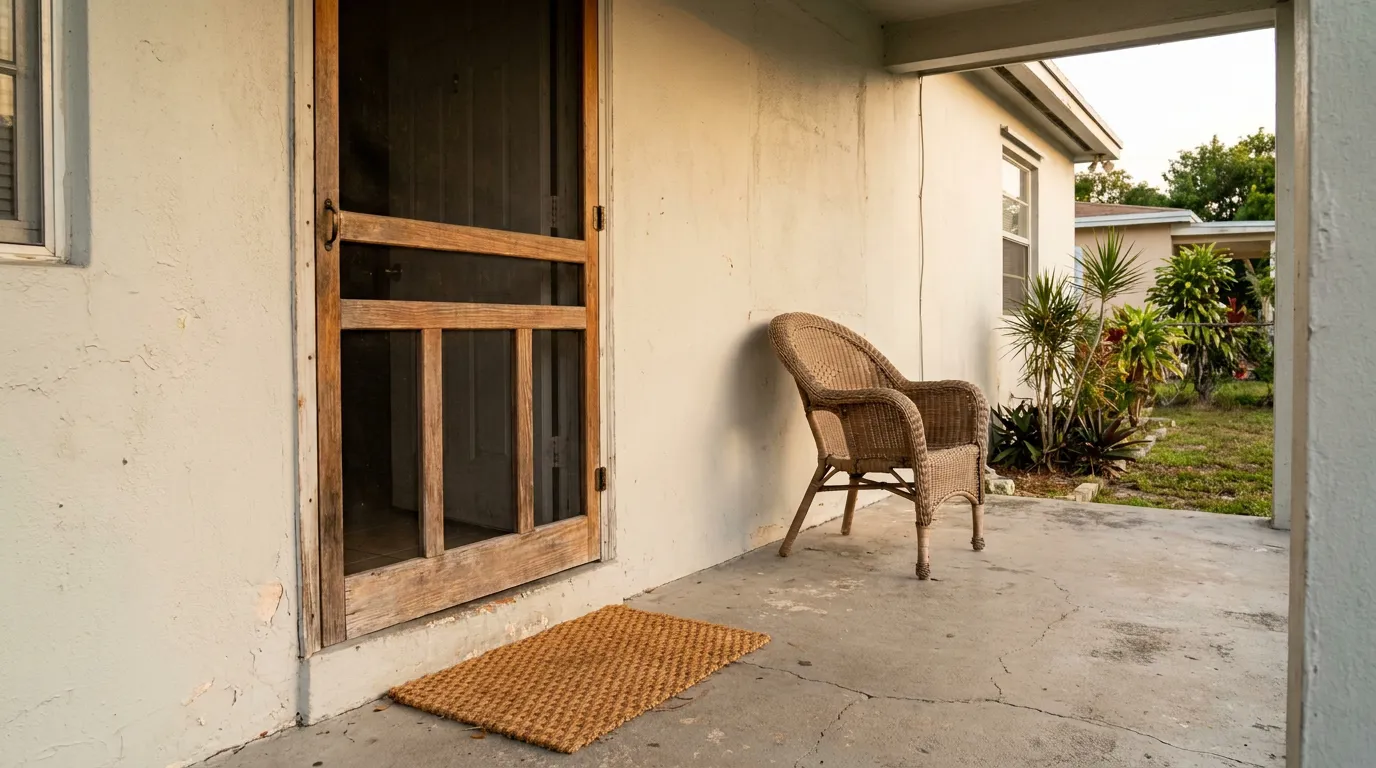
A licensee traditionally enters property with the owner’s permission but mainly for their own purposes, with social guests as the classic example. In Wood v. Camp (Fla. 1973), the Florida Supreme Court held that invited licensees, including social guests, are generally owed the same duty as invitees. Uninvited licensees still receive only the narrower traditional duty. How a court classifies a visitor can turn on detailed facts, so legal review matters here.
Trespassers at the Bottom of the Scale
Trespassers generally receive the least protection under Florida law. Under Fla. Stat. § 768.075(3)(b), an owner must refrain from intentional misconduct toward undiscovered trespassers and has no duty to warn them of dangerous conditions. Under Fla. Stat. § 768.075(3)(a), for discovered trespassers the owner must refrain from gross negligence or intentional misconduct and warn of known dangers others can’t readily see. Different rules, like the attractive nuisance doctrine, may apply to children.
What Florida Statutes Say About Visitor Status
Florida’s premises liability statutes add definitions affecting invitee status. Under Fla. Stat. § 768.075(3)(a)1., "invitation" means the visitor has an objectively reasonable belief they were invited or welcome where the injury happened. Courts ask what a reasonable person would have believed, not just what the injured person privately thought.
The statute also defines two types of trespassers. A "discovered trespasser" entered without invitation and had their presence detected within 24 hours before the accident; an "undiscovered trespasser" was not detected in that period. Review the full text in Florida’s Chapter 768 statutes, which also cover comparative fault and specific liability limits.
| Visitor Status | Common Examples | General Duty Owed |
|---|---|---|
| Invitee | Customers, diners, hotel guests | Reasonable care to maintain safe premises and warn of known or discoverable concealed dangers |
| Licensee | Social guests or permitted visitors | Invited guests generally owed the invitee duty; uninvited licensees get a narrower duty; depends on facts |
| Discovered trespasser | Known unauthorized entrant (detected within 24 hours) | Avoid gross negligence or intentional misconduct; warn of known hidden dangers (Fla. Stat. § 768.075(3)(a)) |
| Undiscovered trespasser | Unknown unauthorized entrant | Avoid intentional misconduct; no duty to warn (Fla. Stat. § 768.075(3)(b)) |
Slip-and-Fall Claims at Hollywood Businesses
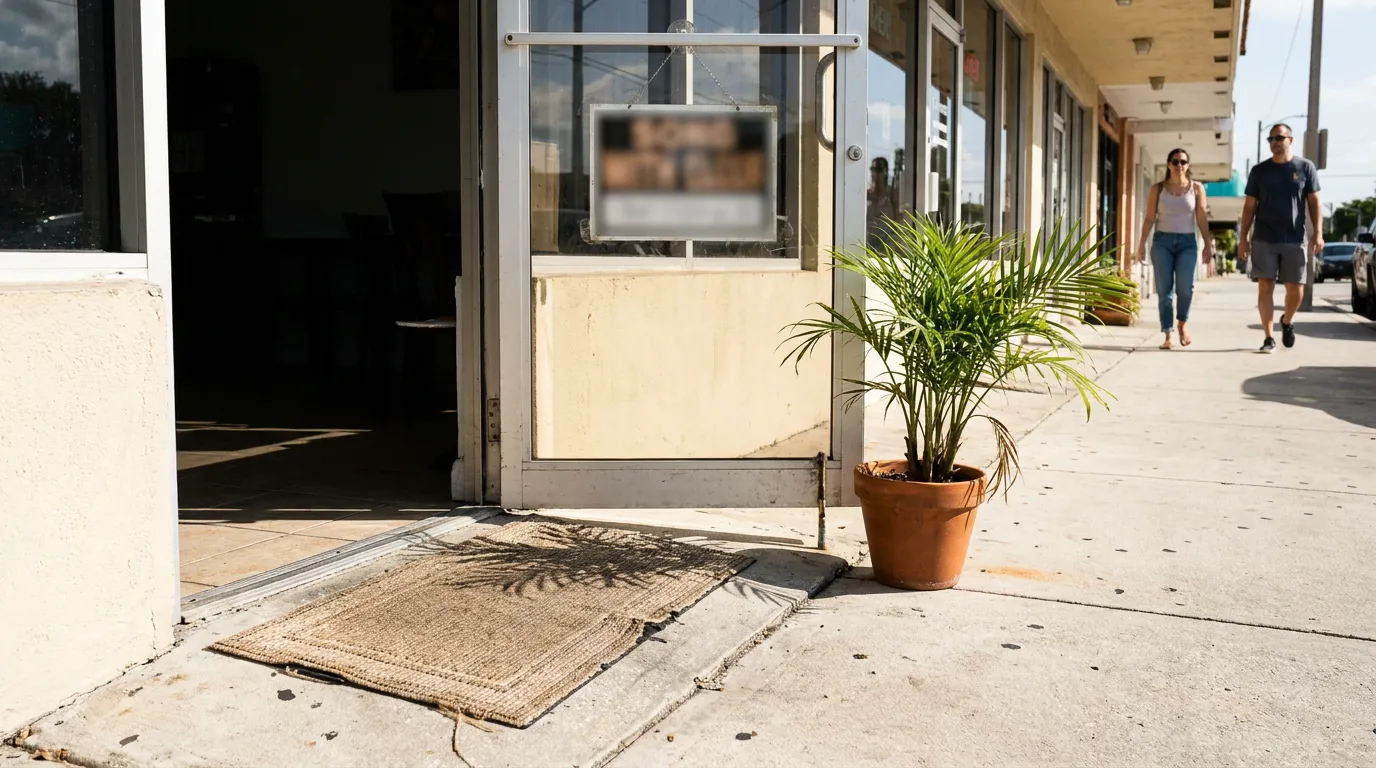
Being an invitee doesn’t automatically make a business liable for your fall. Under Fla. Stat. § 768.0755(1), if you slip on a transitory foreign substance in a business, you must prove the business had actual or constructive knowledge of the danger and should have fixed it. Spilled drinks, dropped produce, and tracked-in rainwater are common examples in South Florida stores and restaurants.
Constructive knowledge is often the central issue. You can show it with circumstantial evidence that the condition existed long enough that ordinary care should have revealed it, or that it happened regularly enough to be foreseeable. For more, read our guide on Hollywood business slip-and-fall liability.
Section 768.0755 doesn’t erase traditional common-law duties. Fla. Stat. § 768.0755(2) states the section doesn’t affect any common-law duty owed by those who possess or control business premises, so the invitee and licensee distinctions can still matter.
💡 Pro Tip: If you fell in a store, ask whether an incident report was created and write down the names of employees you spoke with. Cleaning logs and inspection records may help show how long a hazard was present.
Other Florida Rules That May Affect Your Florida Injury Claim
Several other Chapter 768 provisions can affect a Hollywood premises liability case:
- Comparative fault (Fla. Stat. § 768.81): Florida divides fault among parties, reducing your recovery by your share. Under 2023 amendments, a plaintiff found more than 50% at fault generally cannot recover at all in negligence cases, with an exception for medical negligence claims.
- Convenience business security (Fla. Stat. § 768.0705): A convenience business that substantially implements the security measures in Fla. Stat. §§ 812.173 and 812.174 gains a presumption against liability for criminal acts by third parties who aren’t employees or agents, a hurdle for invitees hurt by crime.
- Food and beverage limits (Fla. Stat. § 768.37): Sellers of food and nonalcoholic beverages are generally shielded from liability based on weight gain or obesity from long-term consumption, one example of specific limits in Florida tort law.
Practical Steps to Protect Your Claim
What you do after an injury can affect how well you later prove your visitor status and the owner’s negligence. Photograph the hazard, the surrounding area, and any signs (or missing signs). A receipt, reservation, or text invitation may support your status as an invitee or invited guest.
Seek medical care promptly, even if injuries seem minor at first. Medical records help link your injuries to the incident and document damages. Witness names and contact details also matter, since memories fade and surveillance footage may be recorded over.
Timing matters in every Florida injury claim. In 2023, Florida shortened the statute of limitations for most negligence claims from four years to two years for claims arising after March 24, 2023. Claims against government entities involve separate pre-suit notice requirements and deadlines under Fla. Stat. § 768.28. Exceptions extending deadlines apply narrowly, so acting early can help protect your options.
💡 Pro Tip: Keep the shoes and clothing you wore at the time of the fall in a bag, without cleaning them. Footwear and residue on clothing can sometimes become useful evidence.
Frequently Asked Questions
1. Am I an invitee if I was shopping in a Hollywood store?
In many cases, yes. Customers at businesses open to the public are generally treated as invitees, though the specific part of the property where you were hurt can matter under Fla. Stat. § 768.075(3)(a)1.
2. Can a social guest recover for injuries at a private home?
Possibly. Social guests were traditionally treated as licensees, but since Wood v. Camp, Florida courts have generally owed invited social guests the same duty as invitees. You’d still need to prove the owner was negligent, which often turns on what they knew or should have known about the hazard.
3. Do I have to prove the store knew about the spill?
Generally, yes. Fla. Stat. § 768.0755(1) requires proof of actual or constructive knowledge for slips on transitory foreign substances in business establishments.
4. What if I was partly at fault for my fall?
Under Fla. Stat. § 768.81, your recovery is reduced by your share of fault. In most negligence cases, if you’re found more than 50% at fault, you generally cannot recover at all.
5. Does my visitor status change if I wander into a restricted area?
It can. Under Fla. Stat. § 768.075(3)(a)1., invitation depends on a reasonable belief that you were welcome in the specific part of the property where you were hurt. Entering an employees-only area may affect how a court classifies you.
Understanding Where You Stand
Your visitor status helps set the duty a property owner owed you, and that duty shapes what you may need to prove. Invitees and invited guests generally receive the strongest protection, uninvited licensees receive less, and trespassers receive the least. Statutes like Fla. Stat. §§ 768.075 and 768.0755 add proof requirements and definitions that can make or break a claim. Speaking with an invitee vs licensee Florida lawyer can help you understand how these rules may apply to what happened to you.
If you were hurt on another person’s property in Hollywood, Salpeter Gitkin, LLP is ready to listen and help you understand your options. Call 954-467-8622 or schedule a consultation today.
Disclaimer: This content is for informational purposes only and is not legal advice. Every case is unique, and results may vary. Consult an attorney about your specific circumstances.